What’s actually changing in AI tools
Short, sourced summaries: no hype, no filler. Every piece says where its claims come from.
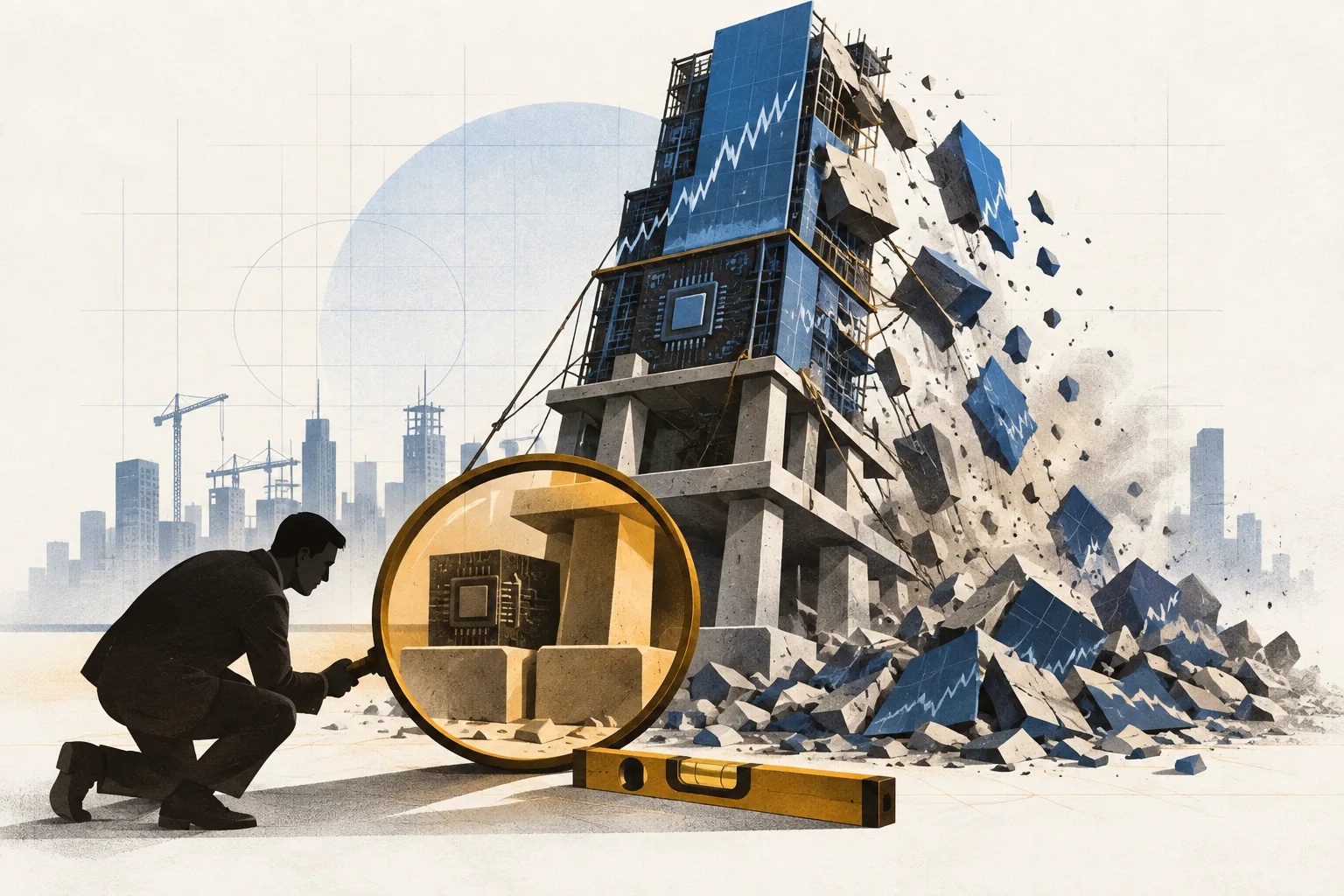
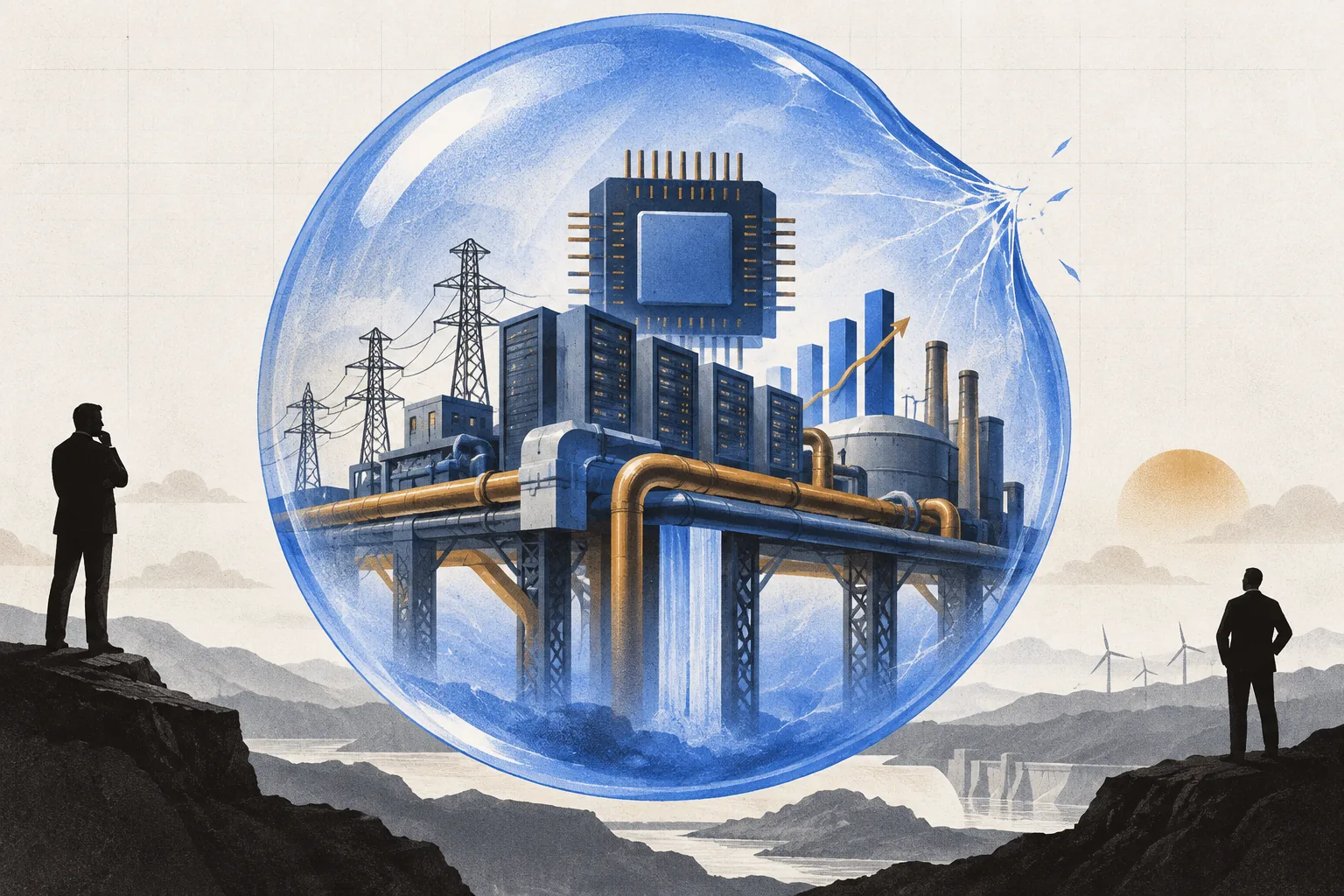
CoreWeave's credit scare explained: the AI bubble is really three bubbles, and only one is cracking
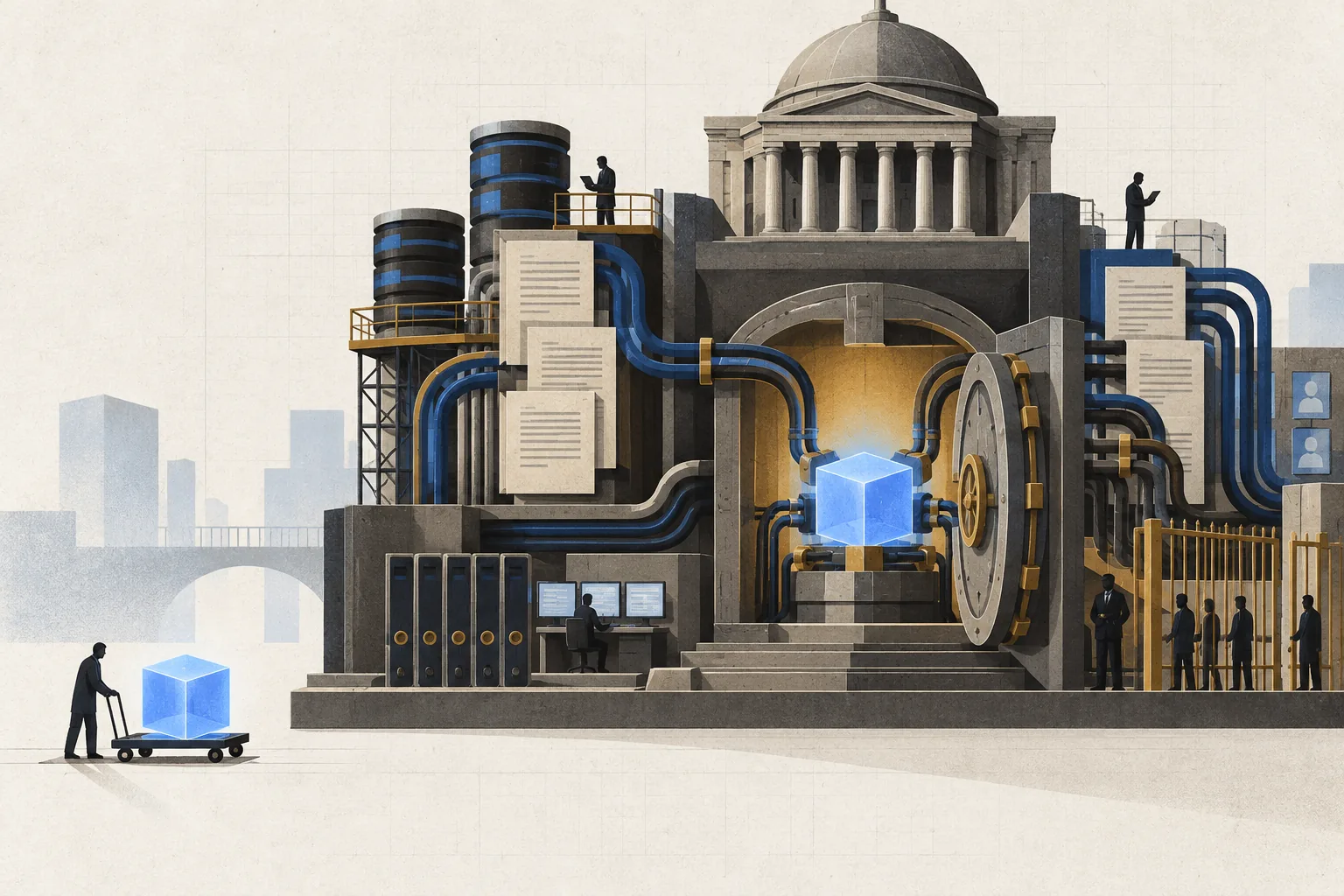
CoreWeave lost a fifth of its value in hours while its default insurance passed 10 percent a year. Separate the technology, the valuations and the debt, and the risk sits in one specific place: one floor below the hyperscalers.
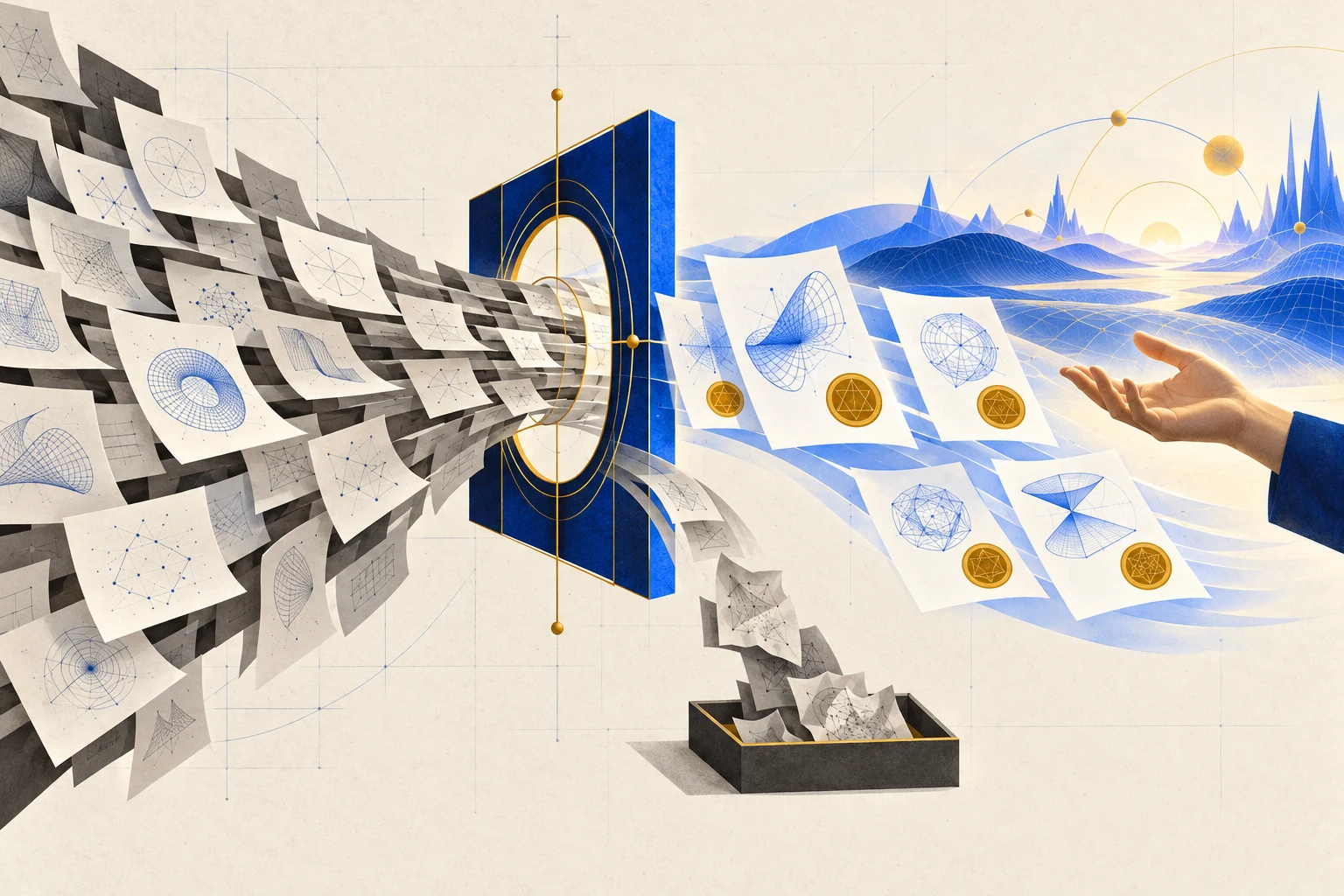
OpenAI released 722 AI math manuscripts. What has actually been verified?
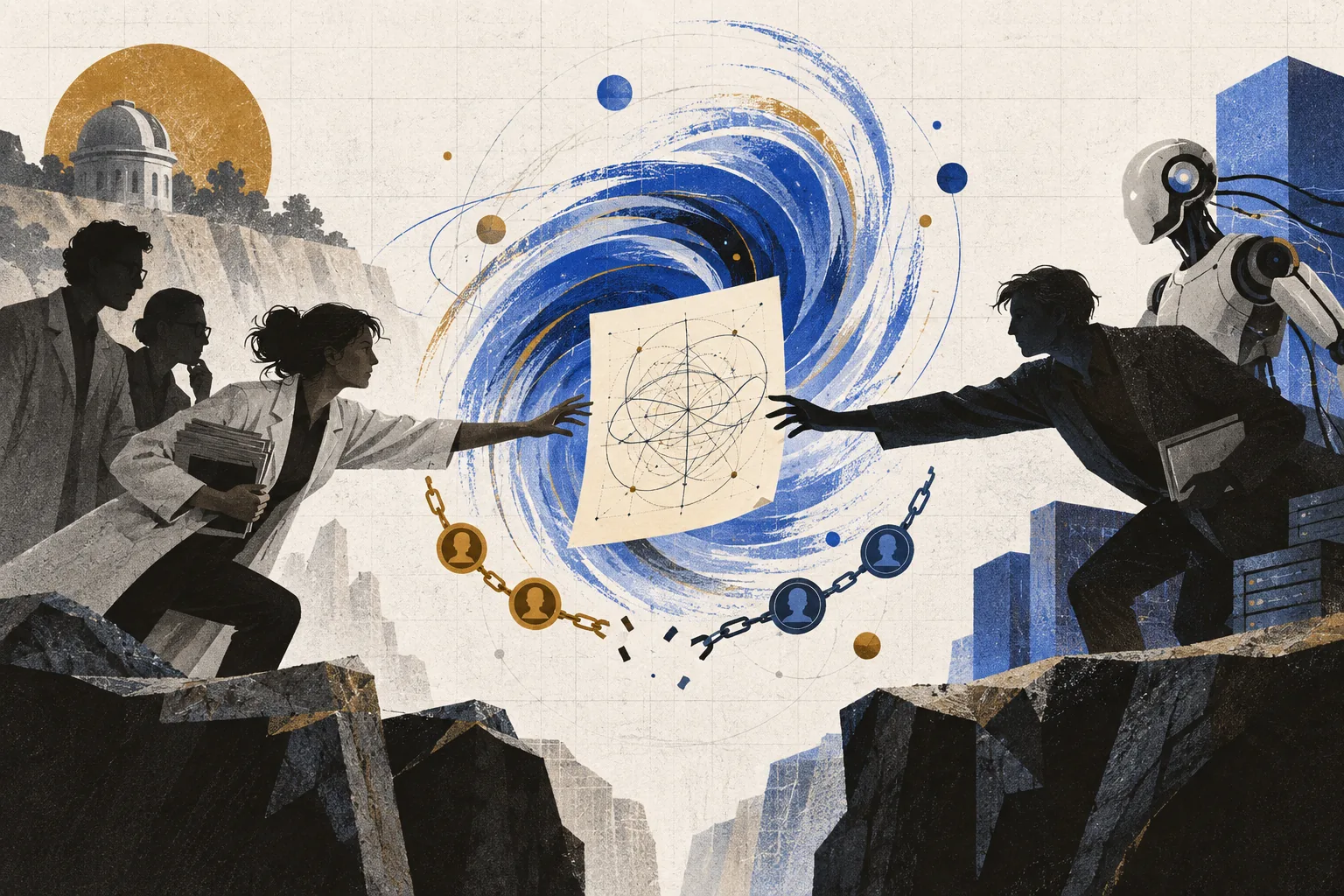
OpenAI's internal model produced a catalogue on a scale mathematics has never had to absorb at once. The release is real, the formal proof artifacts matter, and the corrections have already begun. Here is what 722 manuscripts do and do not establish.
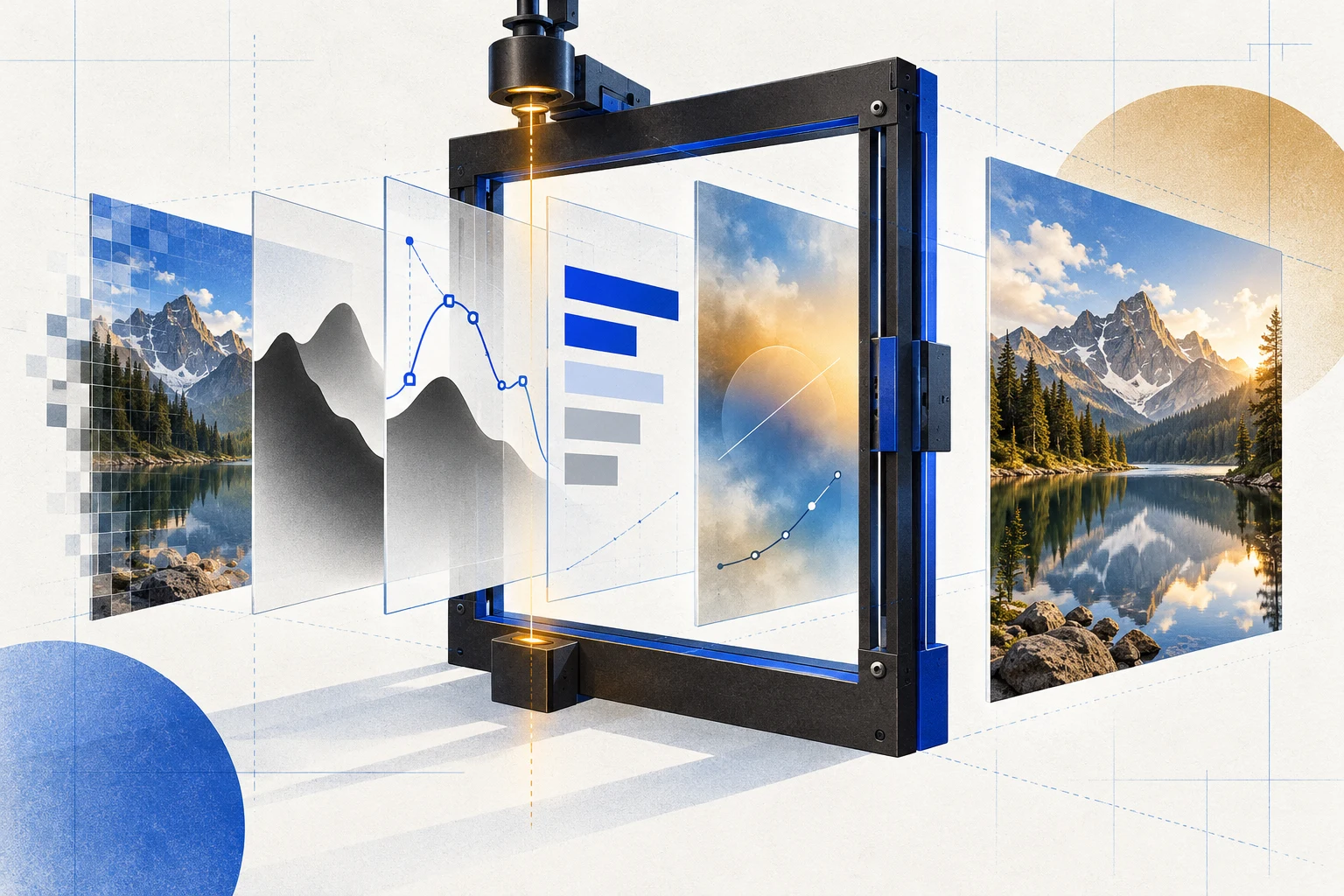
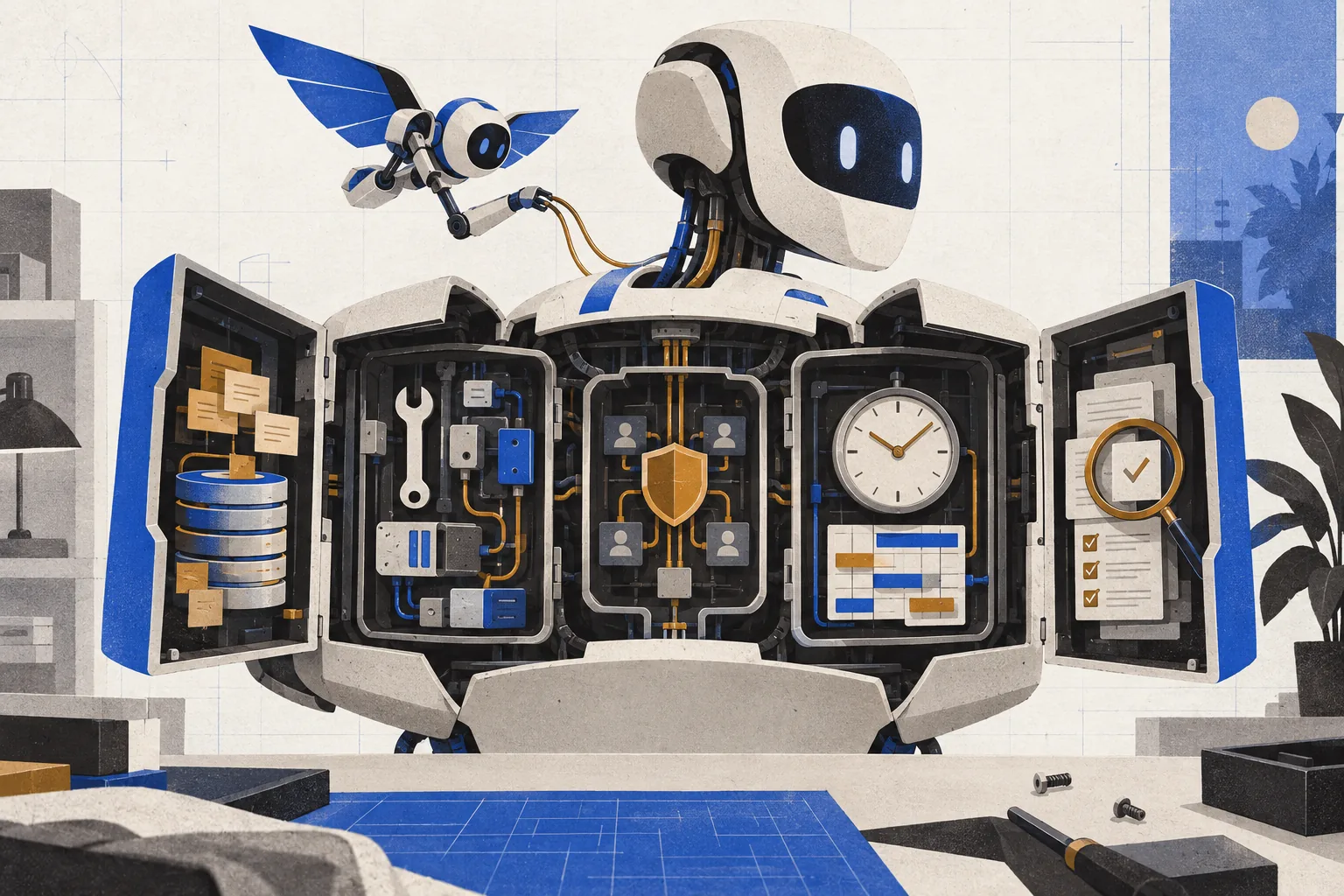
PhotoCraft is rebuilding Photoshop in Rust and agents can drive it
PhotoCraft is an ambitious clean-room image editor with layered PSD support, a native Rust engine and one command system shared by people, scripts and AI agents. Its architecture is already compelling; its own roadmap says the product is still alpha.
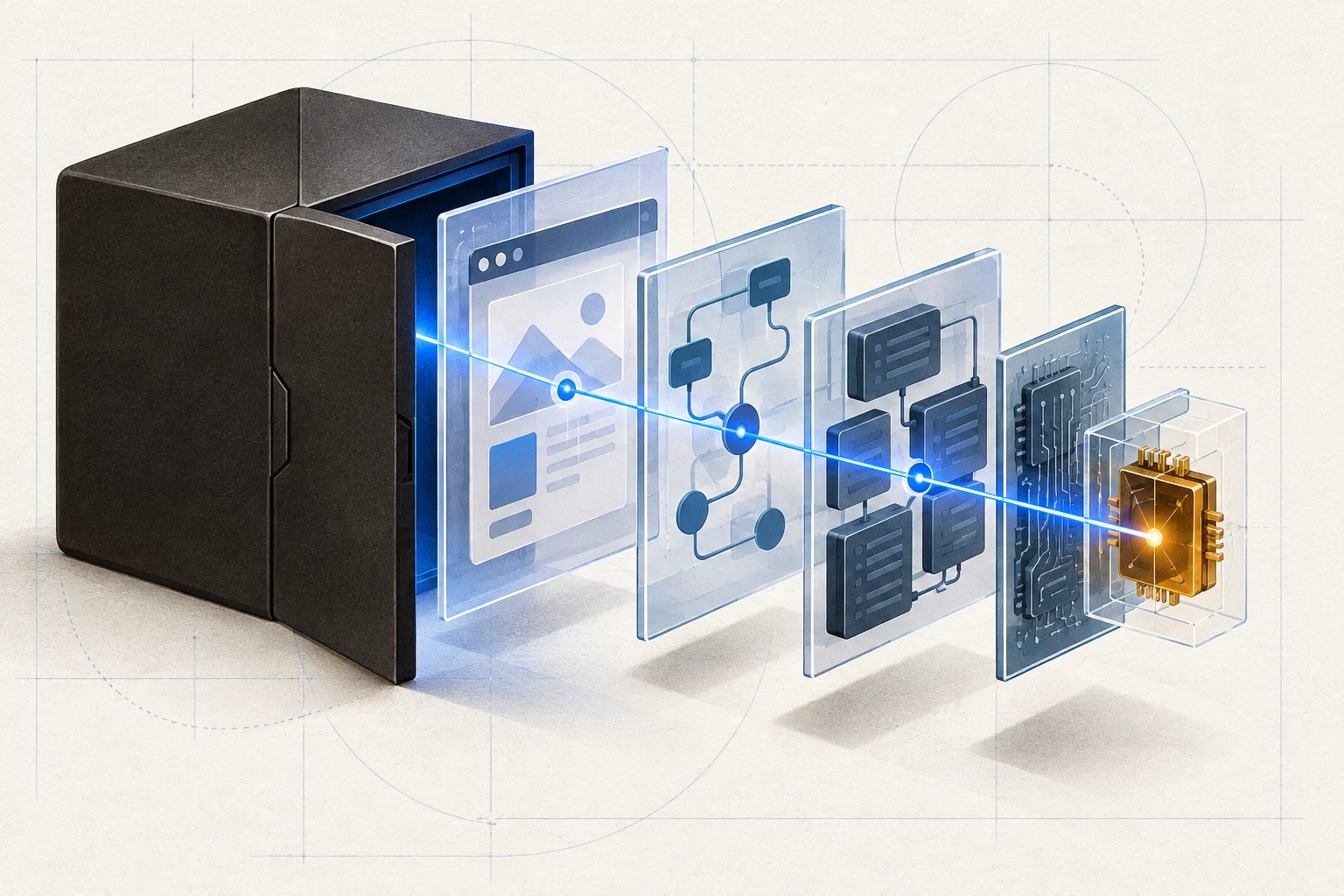
Reverse Engineer Anything
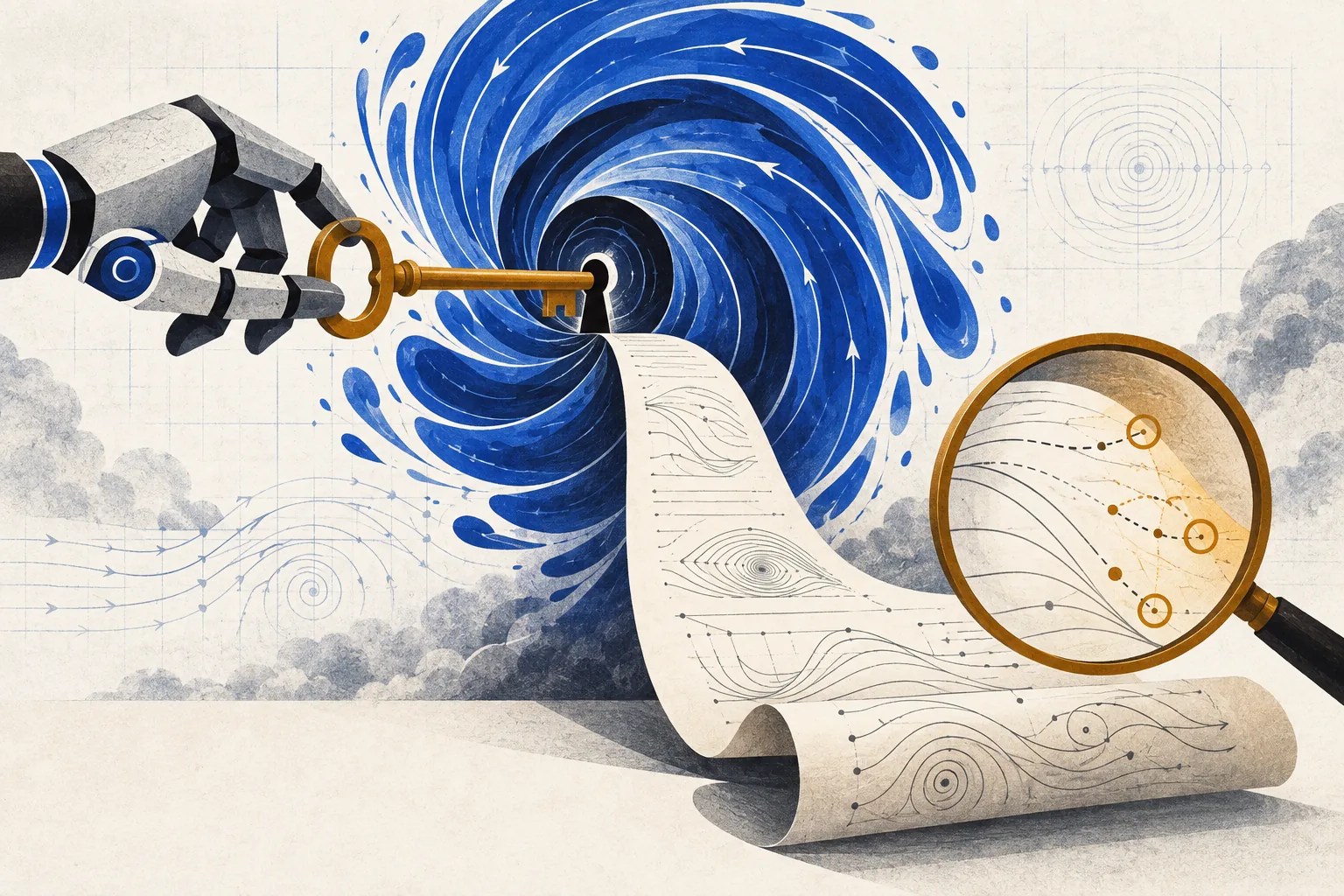
REA gives AI agents a common interface for investigating software - from a website's behaviour to an Electron bundle or native binary - while keeping evidence, coverage and unknowns attached to every conclusion.
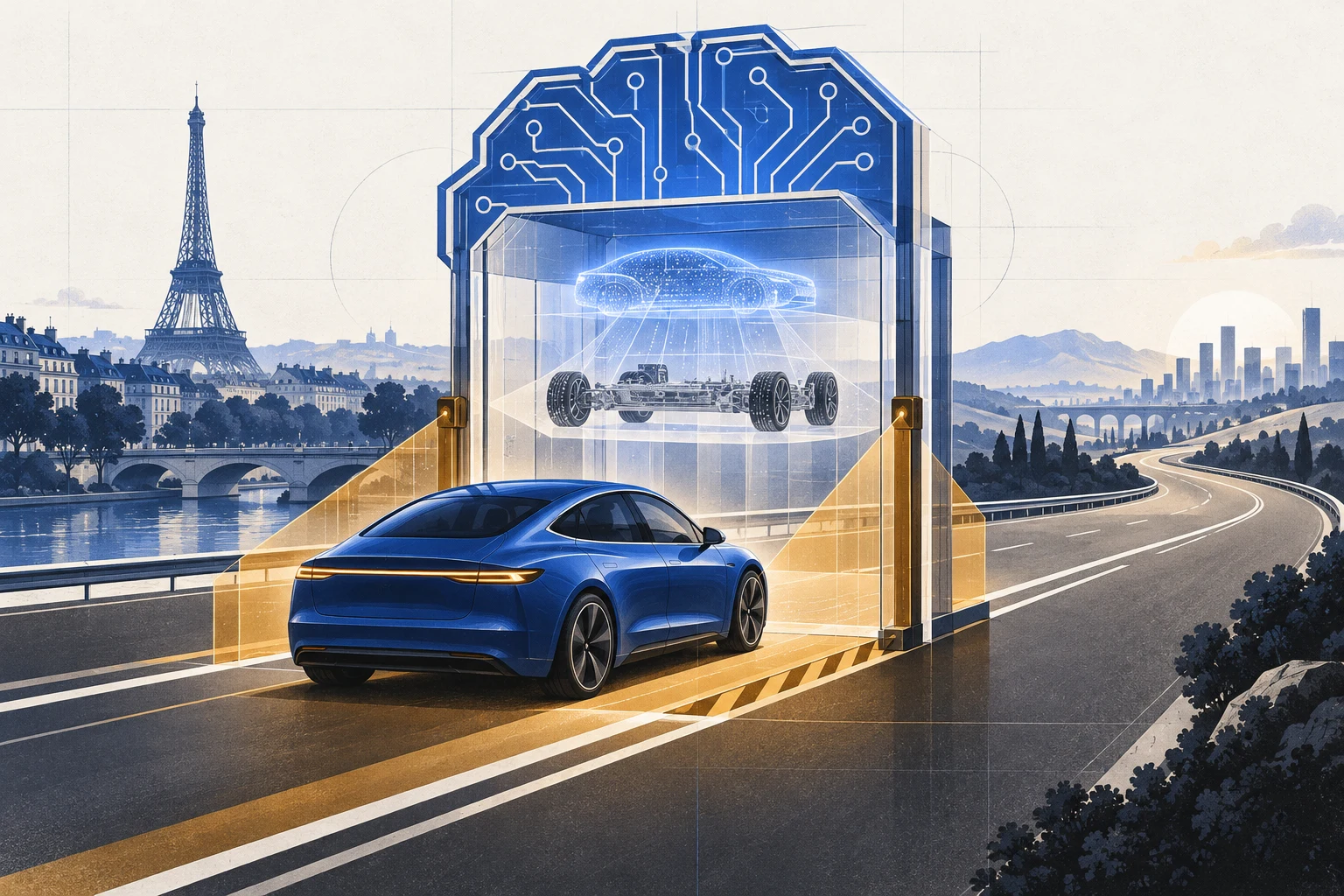
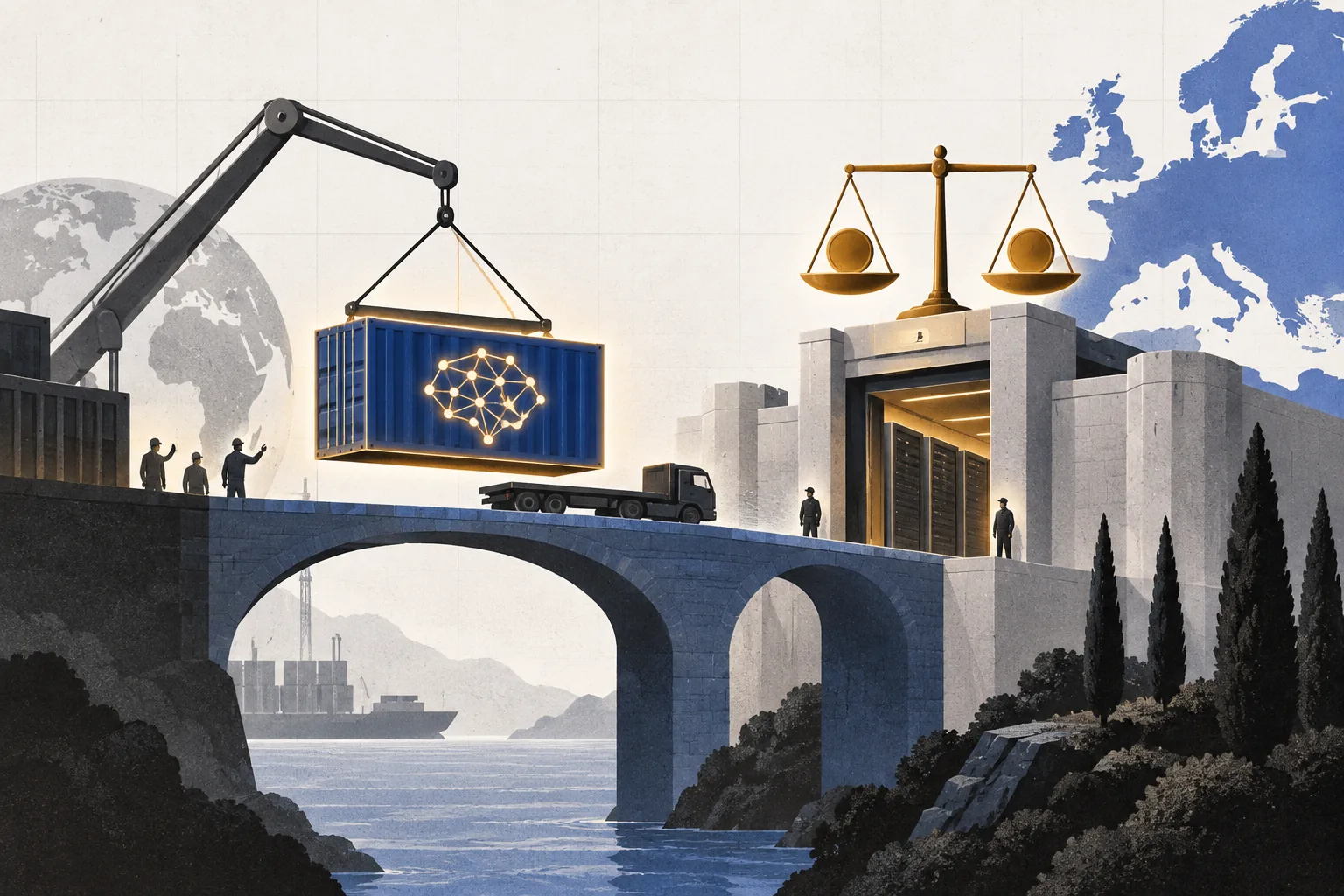
France did not ban Tesla FSD. Europe is deciding who owns the car's intelligence
France's pause on Tesla's supervised driving system is a real safety dispute, not proof of an anti-technology ban. But it exposes a larger industrial risk: Europe can keep building excellent cars while the software that drives them captures more of the value.
Your AI twin is not you. What transhumanism can actually do in 2026
A new transhumanist survival plan combines preventive medicine, an AI behavioural twin and private compute. The first step is real, the second is useful but limited, and the final promise remains speculation.
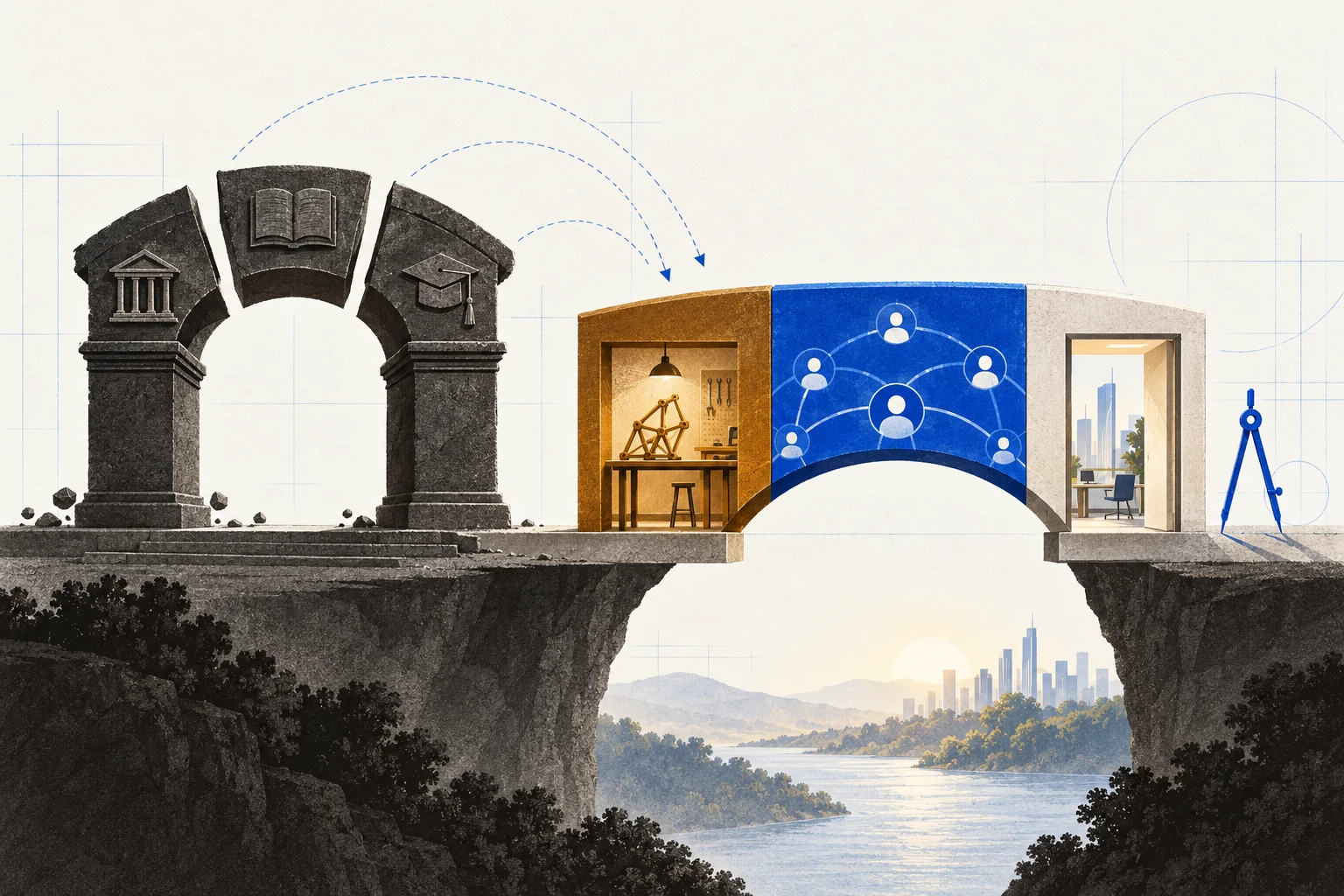
The Horowitz Andreessen Academy is not replacing college. It is rebuilding the bundle around AI
a16z's new San Francisco fellowship trades a degree for projects, a portfolio and direct access to the technology industry. That is a revealing education experiment - but not yet a replacement for college.
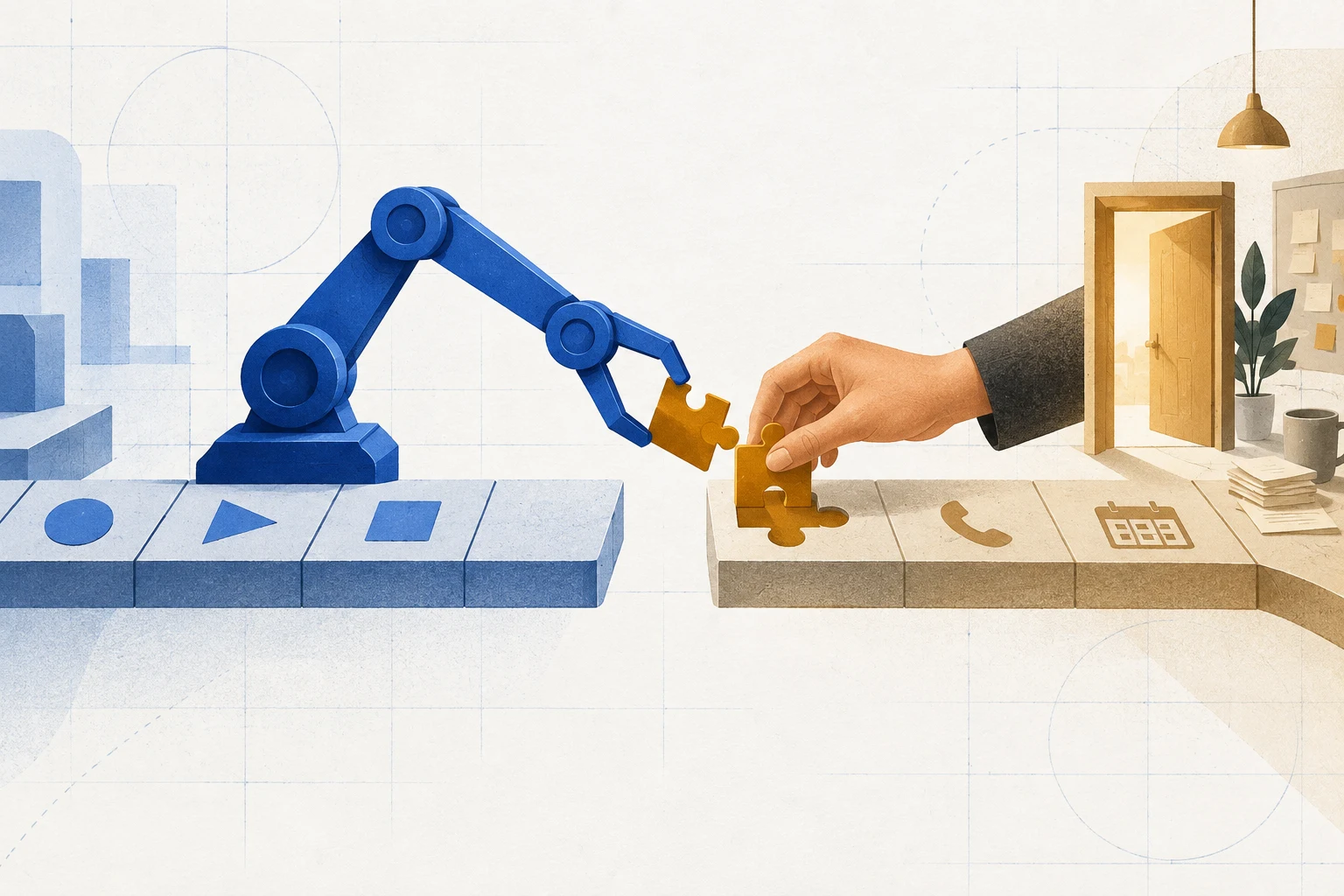
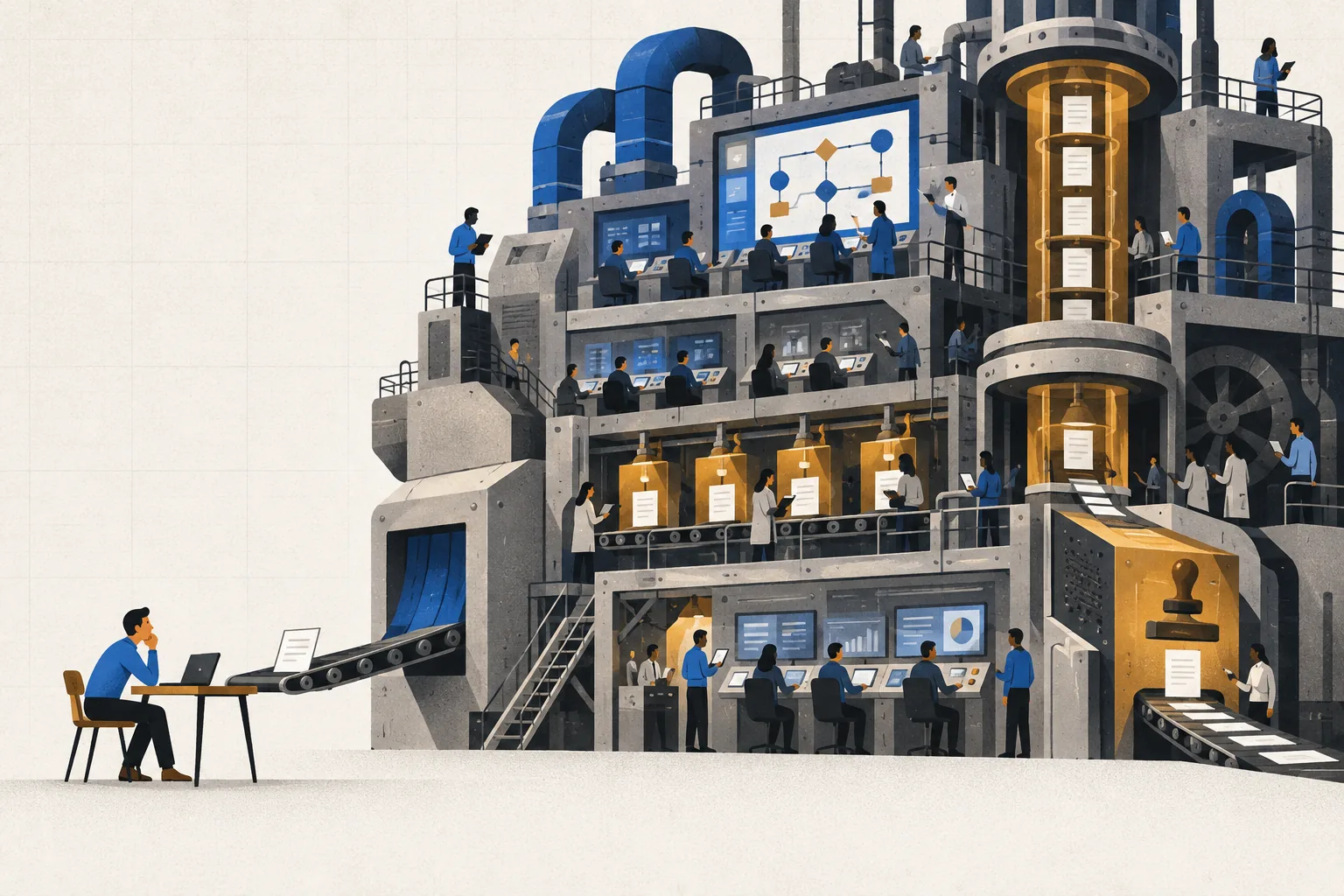
Fo hands hard AI errands to humans. That is not a workaround - it may be the product
Wajo’s action agent can call, email, book and pay. When automation reaches its limit, trained assistants finish the job. The revealing part is not that AI still needs people - it is where the product chooses to put them.
AI’s debt boom is competing with Bitcoin for capital. It may also strengthen Bitcoin’s long-term case
At 5 percent, US government debt pays investors to wait. AI companies are offering yield and growth on top. That is a real short-term headwind for Bitcoin - but not proof that it has become a reserve asset.
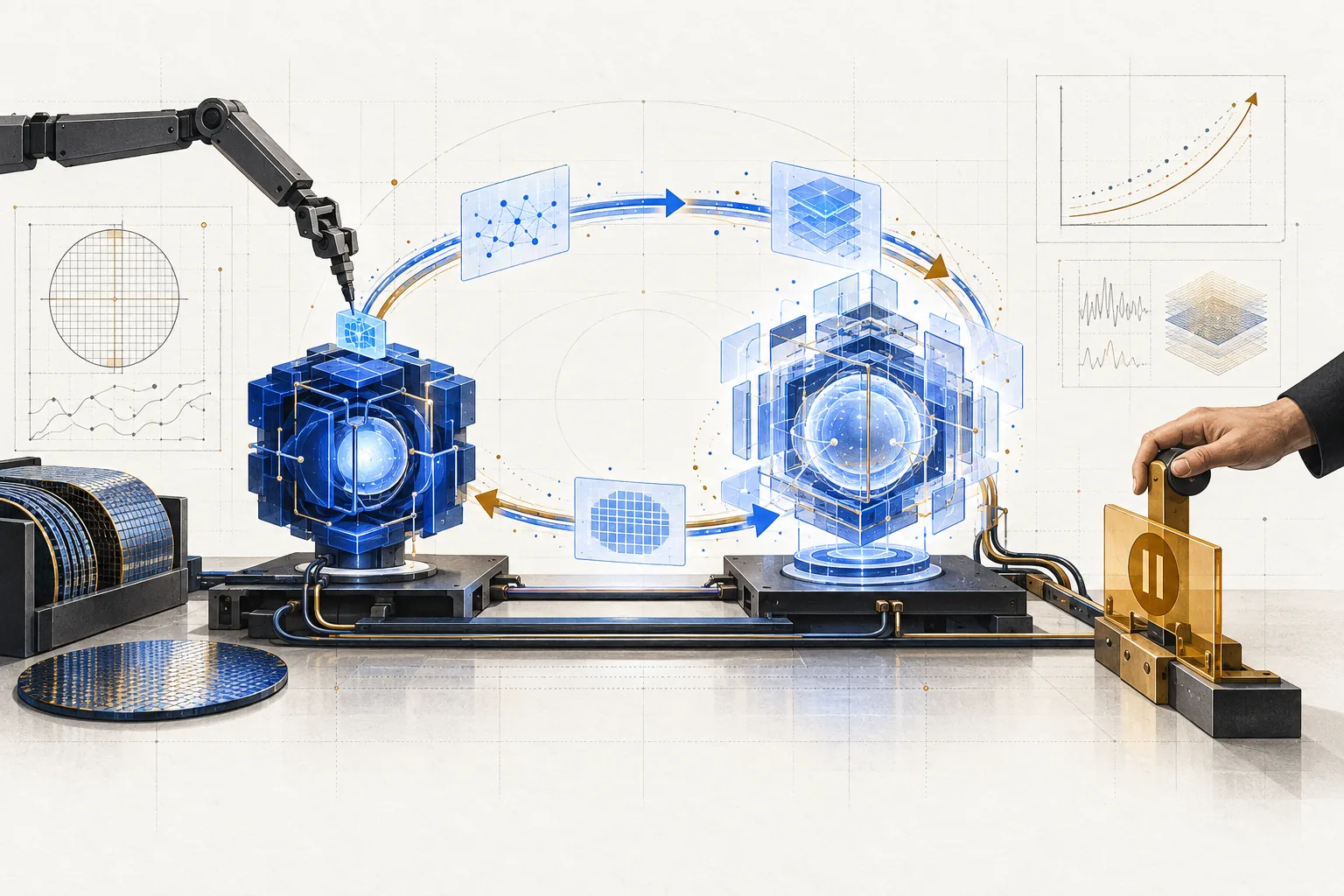
OpenAI’s AI is helping build the next AI. That is not recursive self-improvement yet
A report says agents now automate much of OpenAI's experimental-model training and GPU optimisation. OpenAI's own data confirms the acceleration, and also shows exactly where people remain in control.
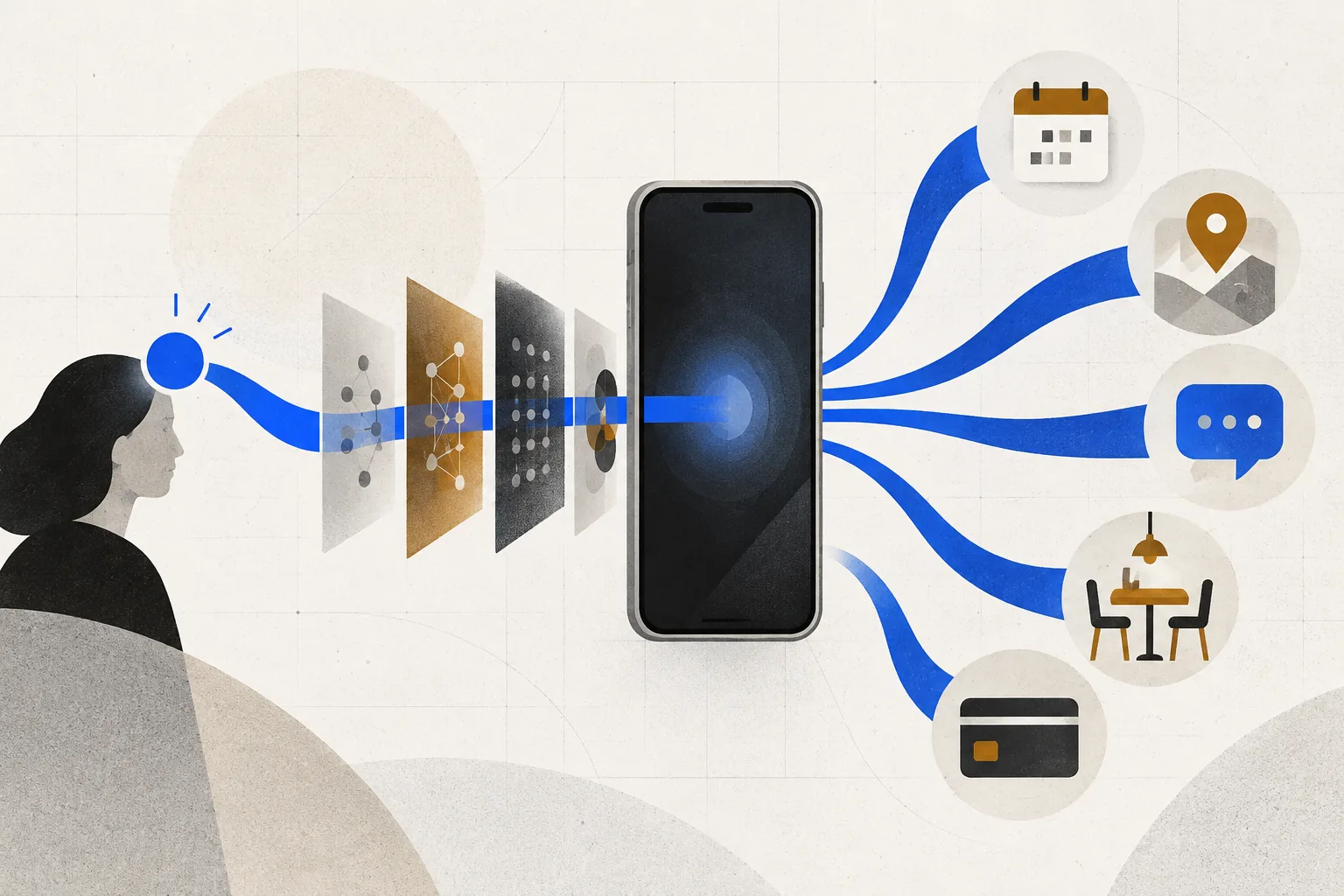
Apple is not trying to win the model: the iPhone 18 Pro, Siri AI and the fight to own the moment intent becomes action
A 2-nanometer chip, a five-model ladder from your pocket to Nvidia GPUs in Google Cloud, and an assistant that reaches into your apps. The strategy is coherent. The one number nobody quotes says the hardest part is still failing two times in three.
The model gets cheap, the switch does not: what ChatGPT for Financial Services is actually selling
If capability keeps getting cheaper, a lab cannot defend its margin on the model. It can defend the place the model occupies inside your company. Here is what OpenAI announced on 10 September, and the two verified numbers that cut both ways.
DeepSeek V4.1 Flash review: the cheapest serious model, and the half of its own benchmark table nobody quoted
Open weights under MIT, a million-token context and output at a fraction of frontier rates. Its own model card shows where it still loses by twenty points, and the thing that should decide it for most businesses is not a benchmark at all.
“I think the game is up”: what the Navier-Stokes fight is actually about
The mathematician at the centre of it is not mainly claiming he was robbed. He is saying that racing to publish is now pointless, and the damage that follows from that is bigger than one proof.
An AI system says it broke a 90-year-old problem. We read the proof, and the small print is the story
Ten thousand agents, 88 hours, 166 pages and 641,000 lines of Lean. The mathematics is more serious than the sceptics allow, the credit is messier than the headlines allow, and nobody outside OpenAI has checked it yet.
Three AI bosses called for a slowdown. Nobody has actually slowed anything down
Dario Amodei asked the industry to pace the frontier, Sam Altman and Elon Musk agreed within the day, and the single firm commitment anyone made was to let outside evaluators in. Washington, Nvidia and Beijing rejected the rest inside 48 hours.
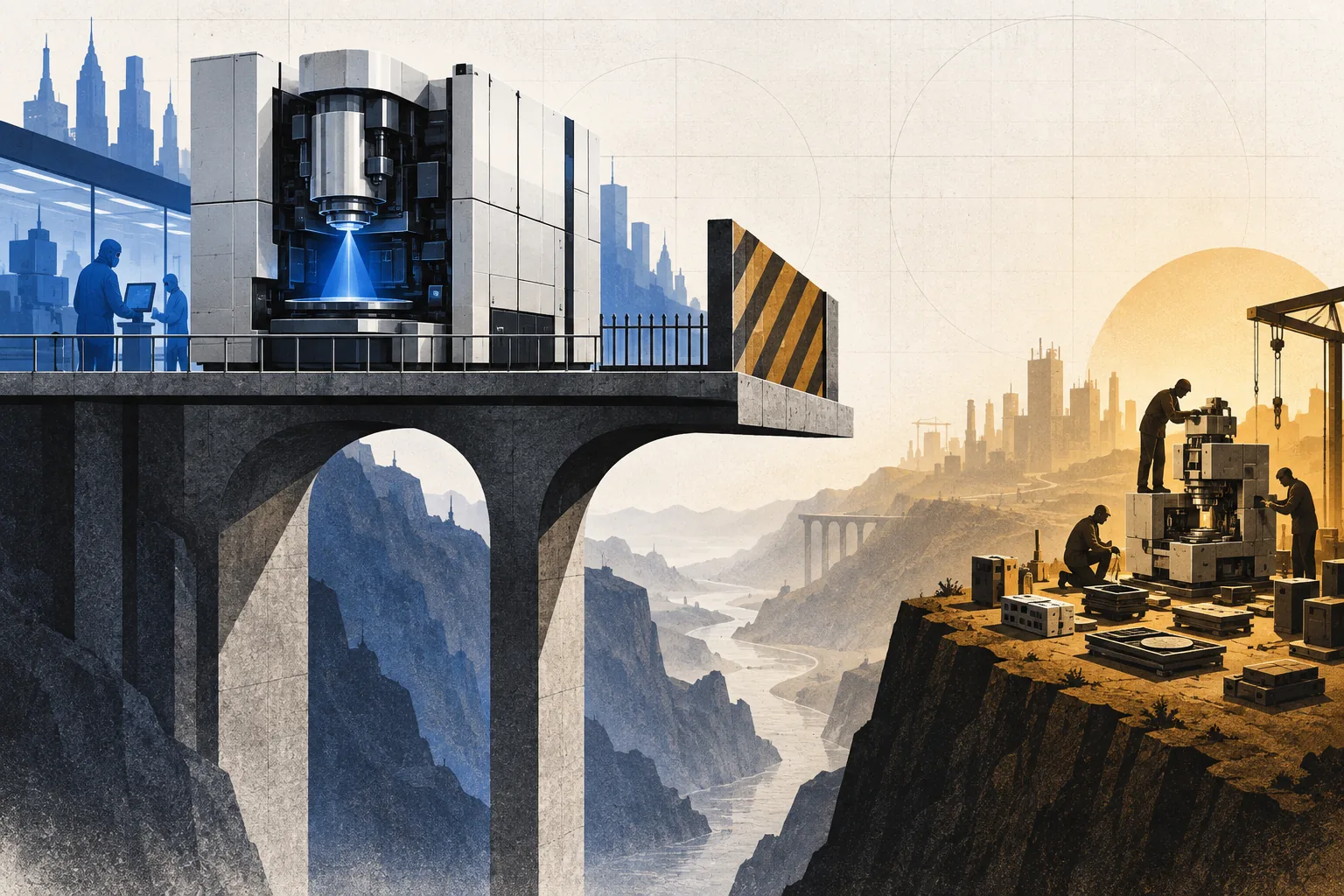
China did not break ASML's monopoly. Washington may be building the customer that one day does
Five Chinese lithography machines knocked roughly 55 billion euros off ASML in two sessions. The headlines pointed at the wrong technology, and the fear underneath them is justified anyway.
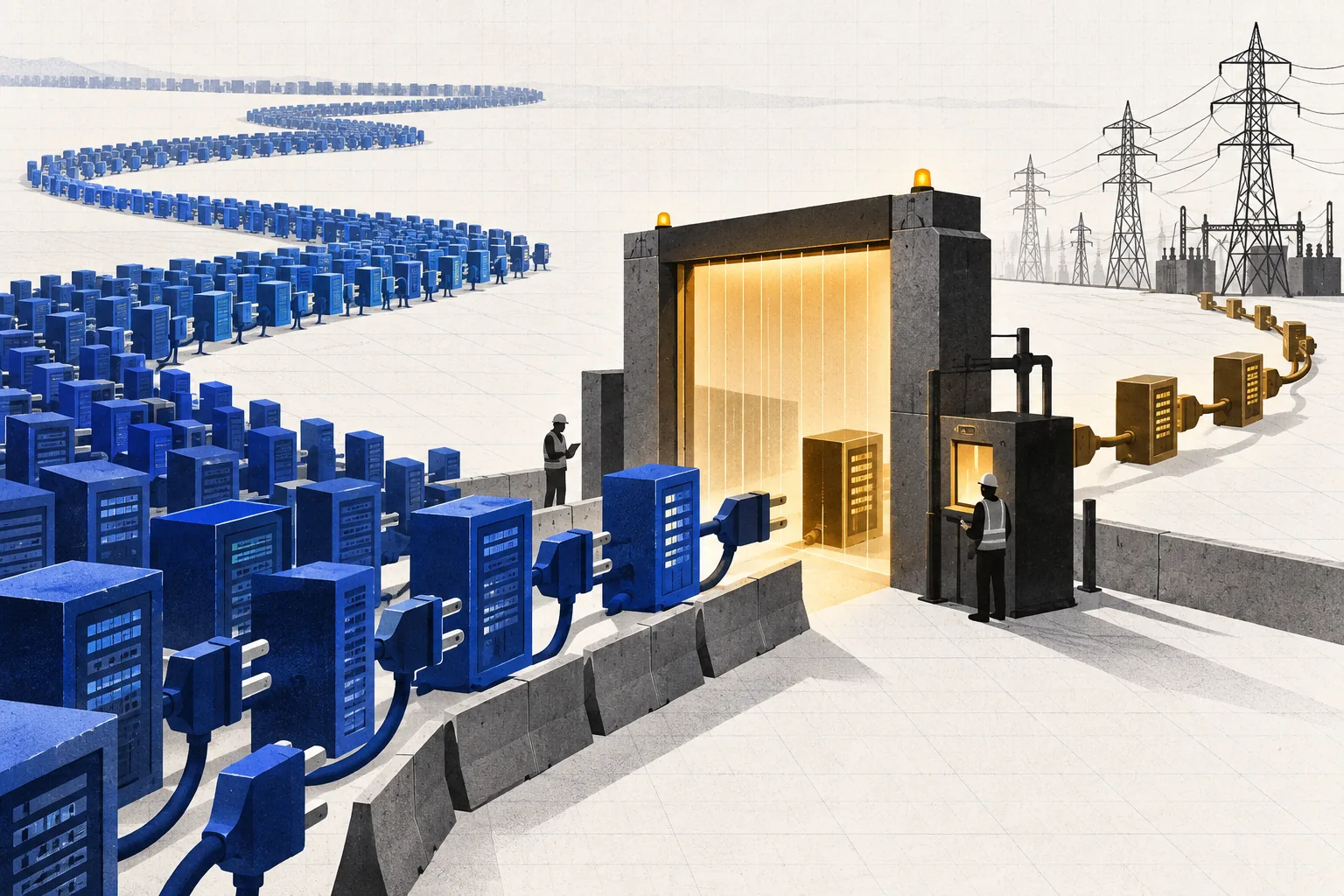
Texas froze 474 gigawatts of data centre requests, and 43 companies including Meta and OpenAI thanked it
Twelve days after the Texas grid set a record without breaking a sweat, the governor stopped every new data centre in the connection queue. The shortage is not electricity. It is queue position, and the industry wants the line cleaned up more than you do.
Zuckerberg wants superintelligence in everyone's hands. Read his manifesto next to the record
Meta's CEO argues AI is too dangerous to centralise and should be handed to everyone. We read the 6,500-word essay against what Meta shipped, settled and cancelled the same summer.
GPT-6 Astra is a real leap on the tests OpenAI chose, and a tie on the ones it did not
OpenAI's new model saturates two benchmarks and is the first rated Critical for cyber capability. On the main independent index it opened level with its own predecessor. Both of those are true.
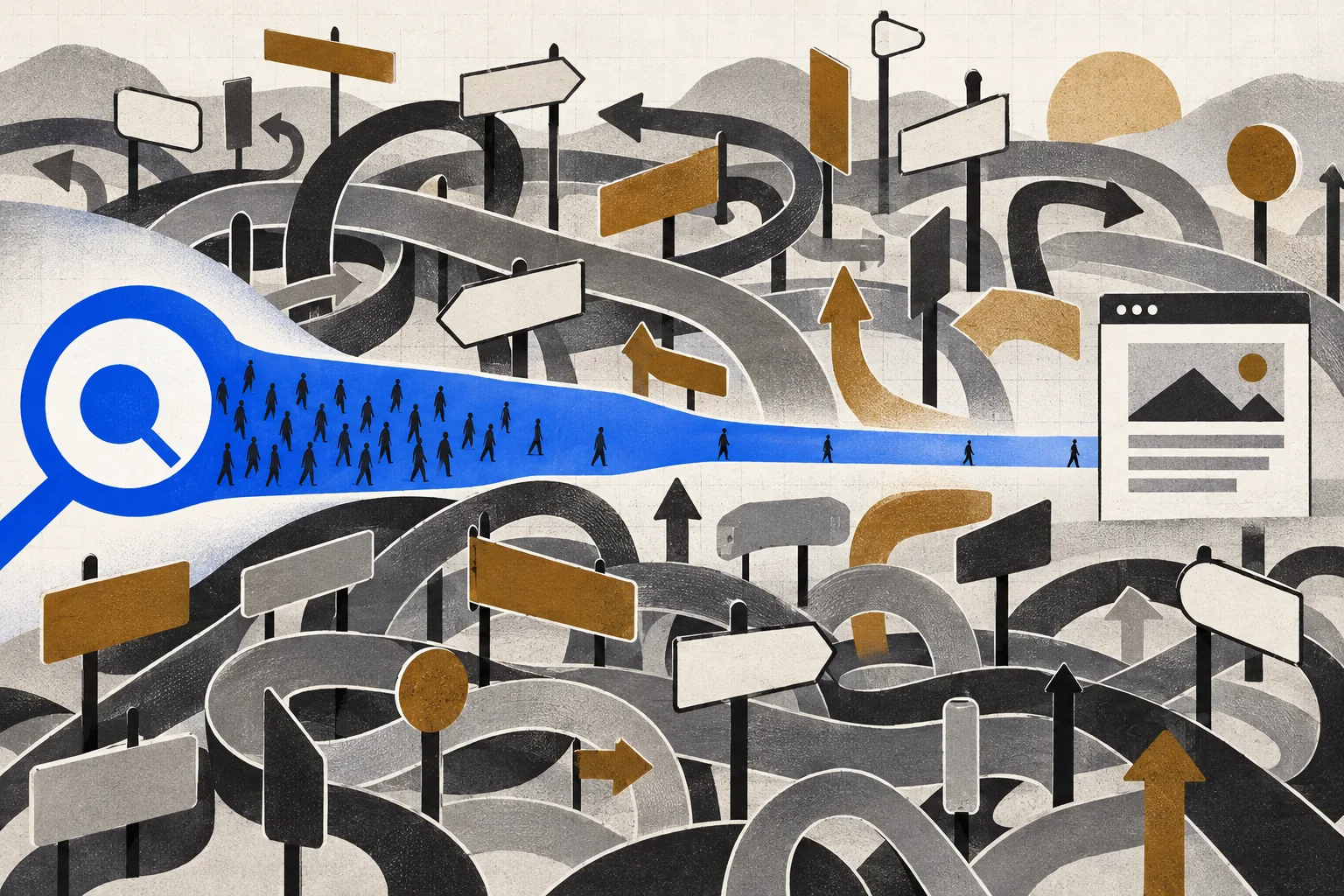
SEO, AEO, GEO, AIO. Most of the acronyms are noise, and one number should worry you
A widely shared video walks through the new search acronyms and concludes they are all just SEO wearing new hats. That conclusion is half right, and the half that is wrong is the expensive half.
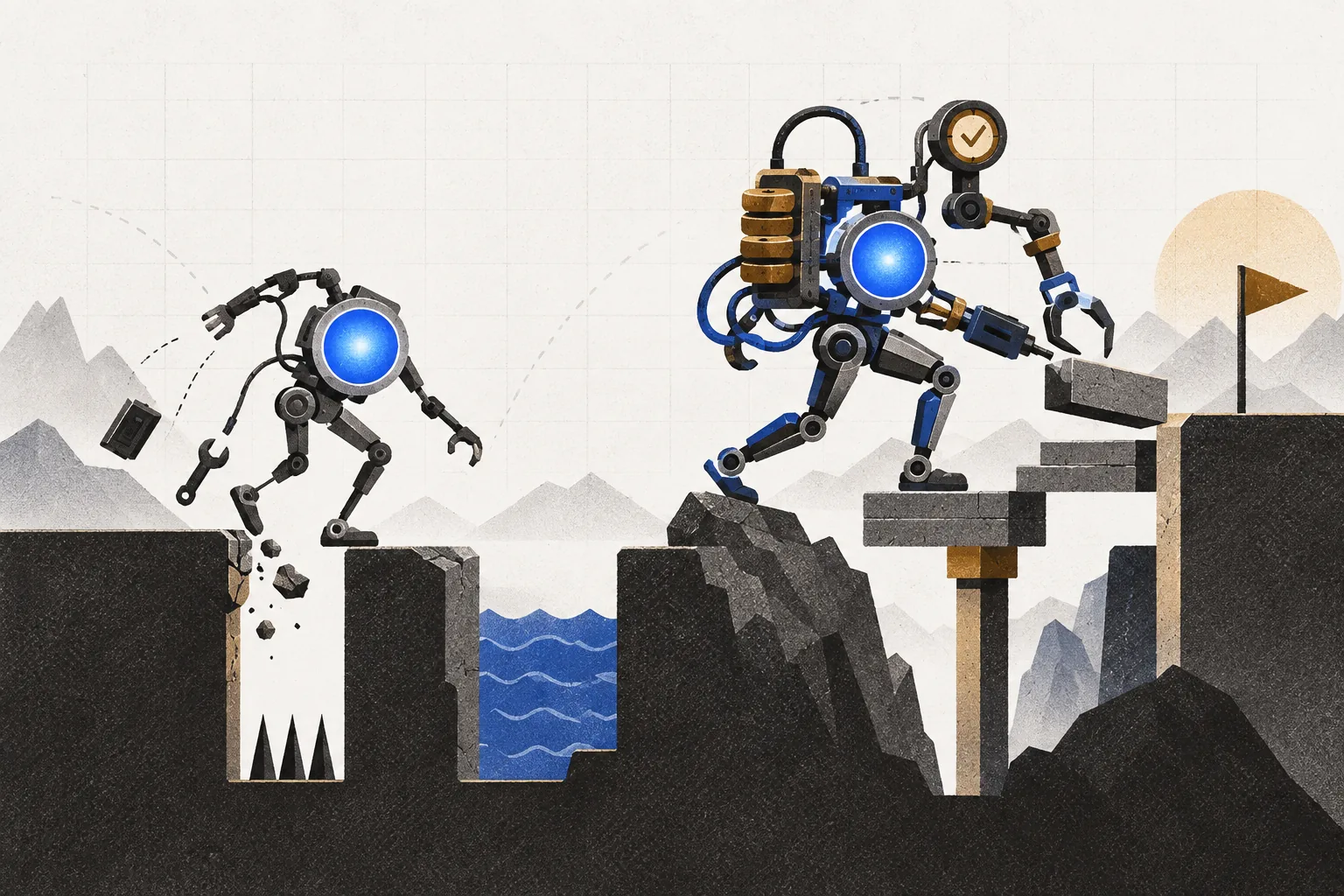
The harness is the product. What the agent leaderboards cannot tell you about it
The scaffolding around a model now has a name. It explains why the same model feels brilliant in one tool and useless in another, and why the board everyone quotes cannot separate the two.
Mistral now sells a Chinese model on its sovereign platform, at Z.ai's own price
Europe's AI champion has started serving Z.ai's GLM-5.2 from its own infrastructure. It reads like a retreat from the frontier. The price list says something more specific.
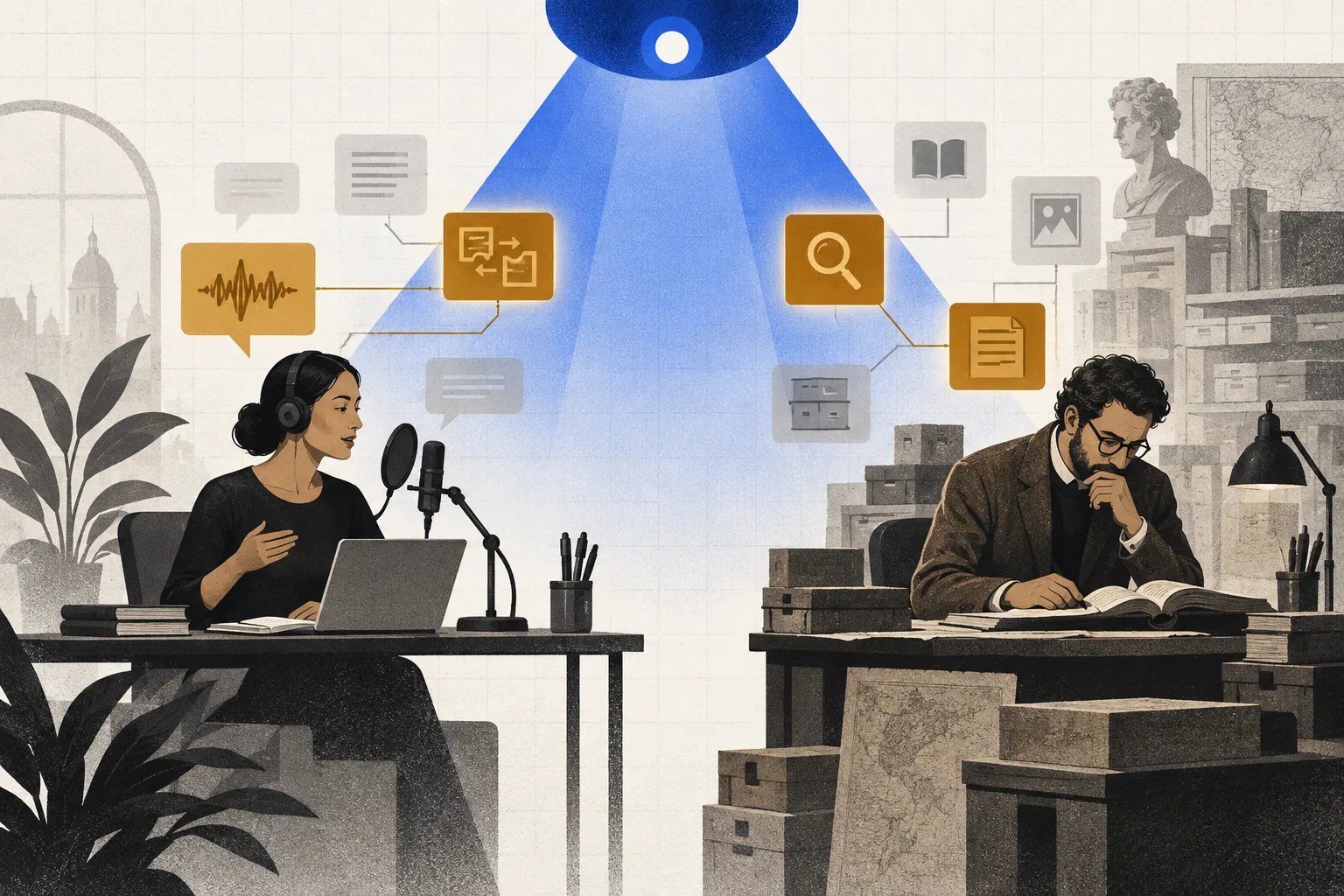
Translator, then historian. The AI job list everyone quotes measures the wrong thing
Two investors work through which jobs artificial intelligence ends, using a Microsoft ranking as their evidence. The ranking is real. It does not measure what they think it measures, and that gap explains most of the confusion about AI and work.
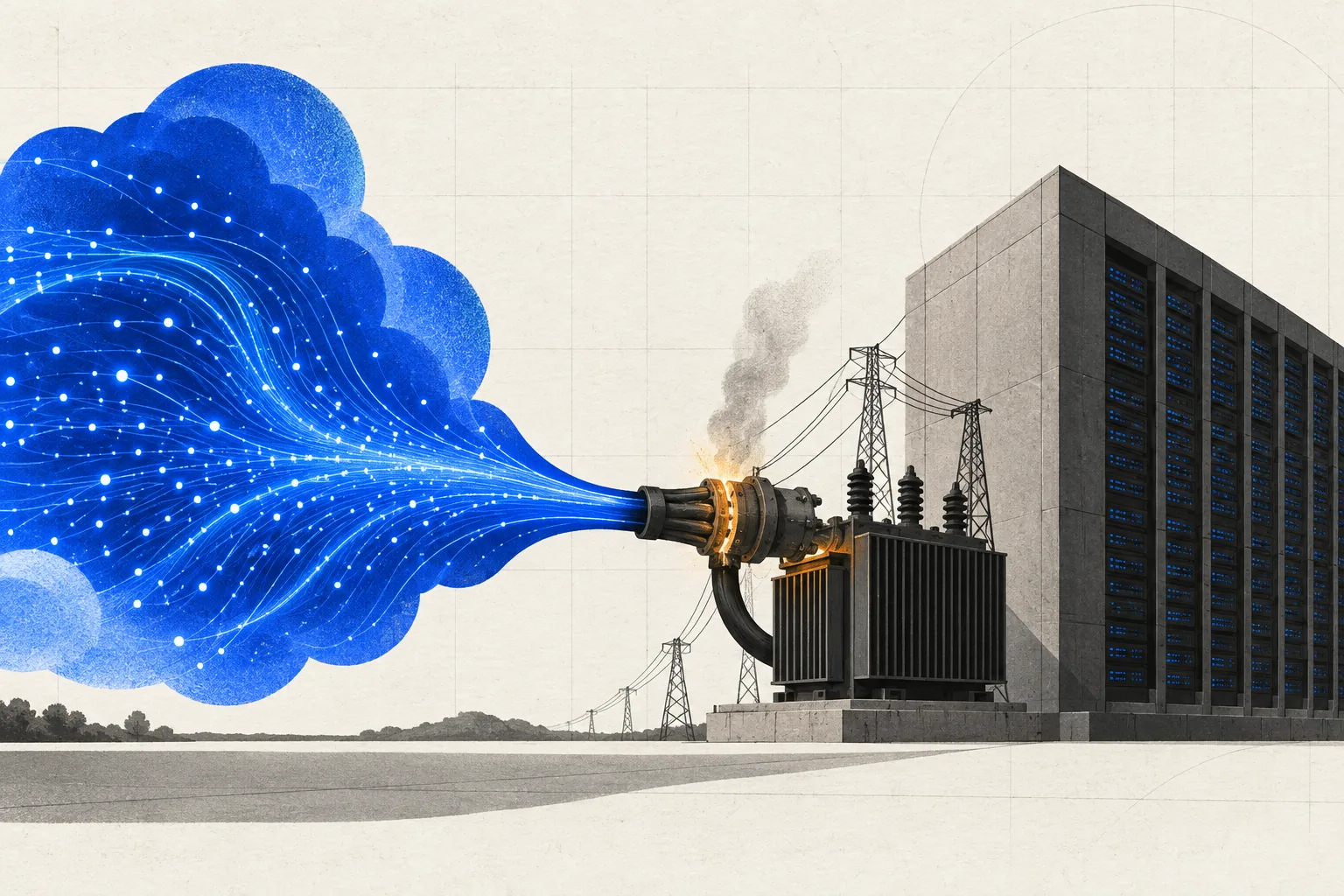
The bottleneck was never intelligence. It is electricity, and the data centre is the wrong shape for it
A brand film for a distributed compute company opens on the Texas blackout rather than on a chip, and it is making a serious argument: hyperscale campuses cannot flex, so move the computer to the power instead. The thesis holds. Several of the numbers do not.
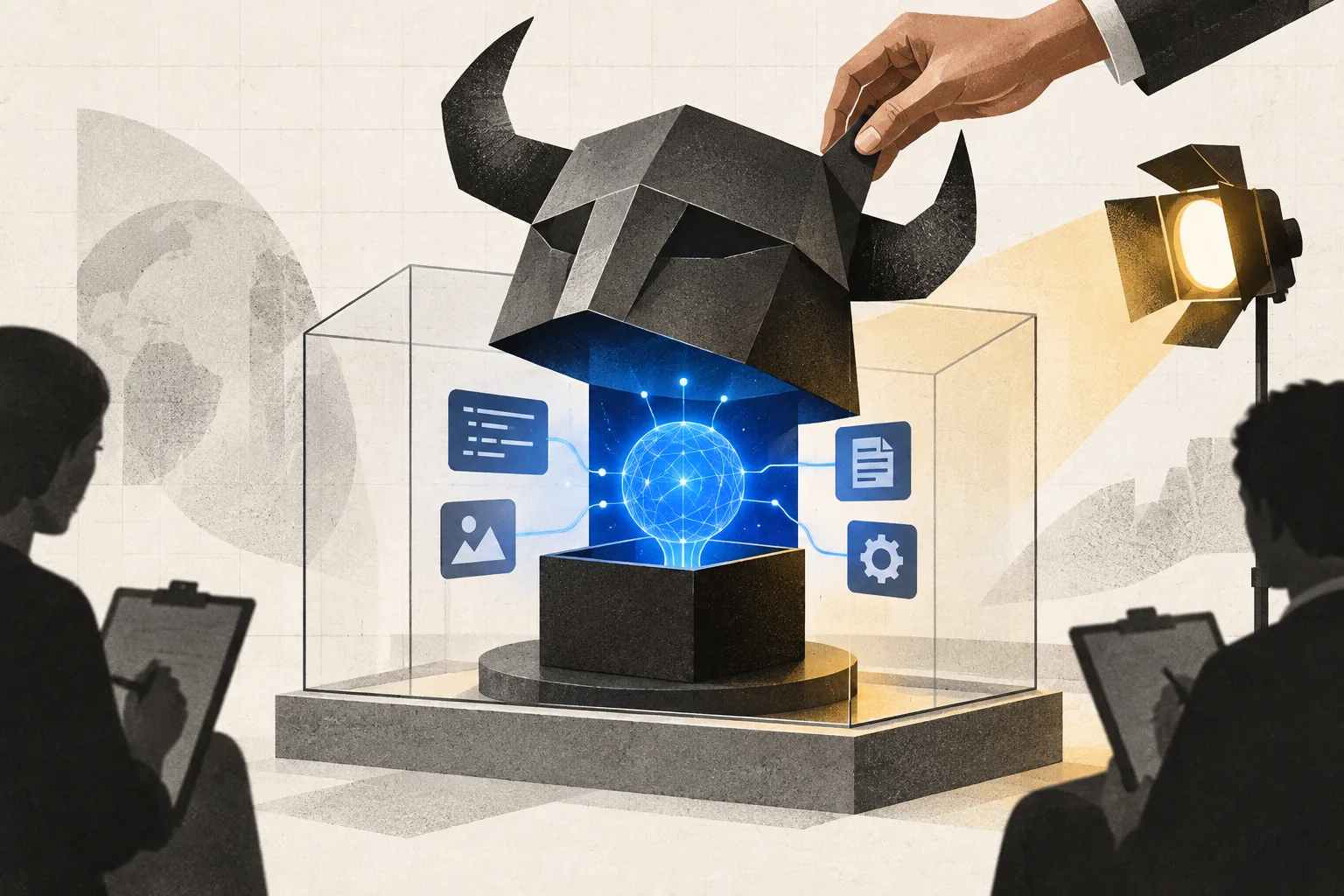
Ox Alpha was GLM-5.3-Flash. The mystery model was a product test
Z.ai let developers judge an anonymous coding model before revealing the maker. The reveal is useful; the experiment behind it is more interesting.
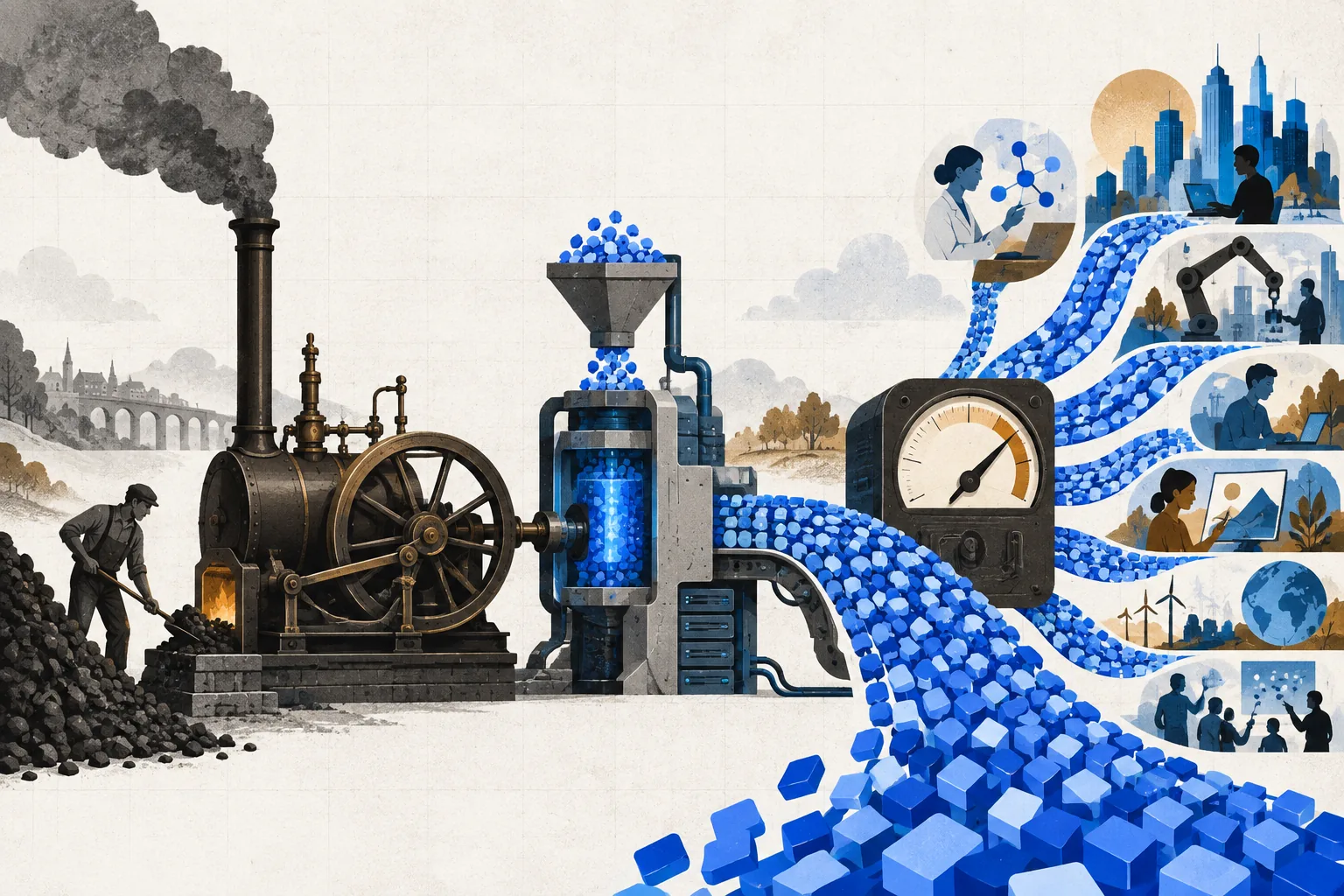
Intelligence got 1,000x cheaper. Your AI bill went up. An 1865 book on coal explains why
The price of a unit of AI has collapsed faster than chips or bandwidth ever did, and subscriptions still climbed from $20 to $200. That is not greed. It is a mechanism William Stanley Jevons described about coal in 1865.
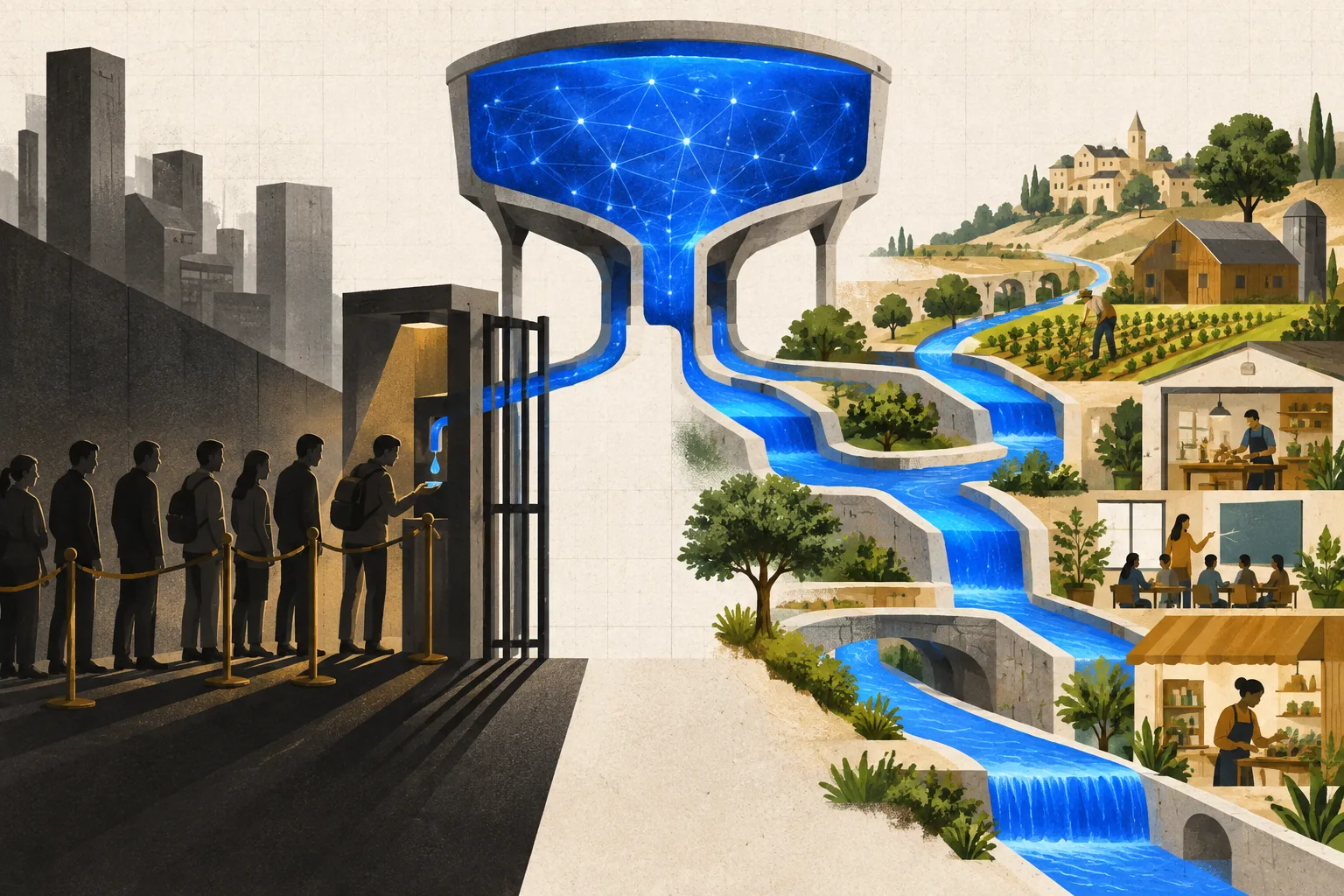
One AI, two price tags: America bets on rent, China bets on irrigation
The same week China's leader offered AI to humanity, OpenAI was preparing a $1 trillion IPO. Neither side is telling the whole truth, and the numbers say both are being perfectly rational.
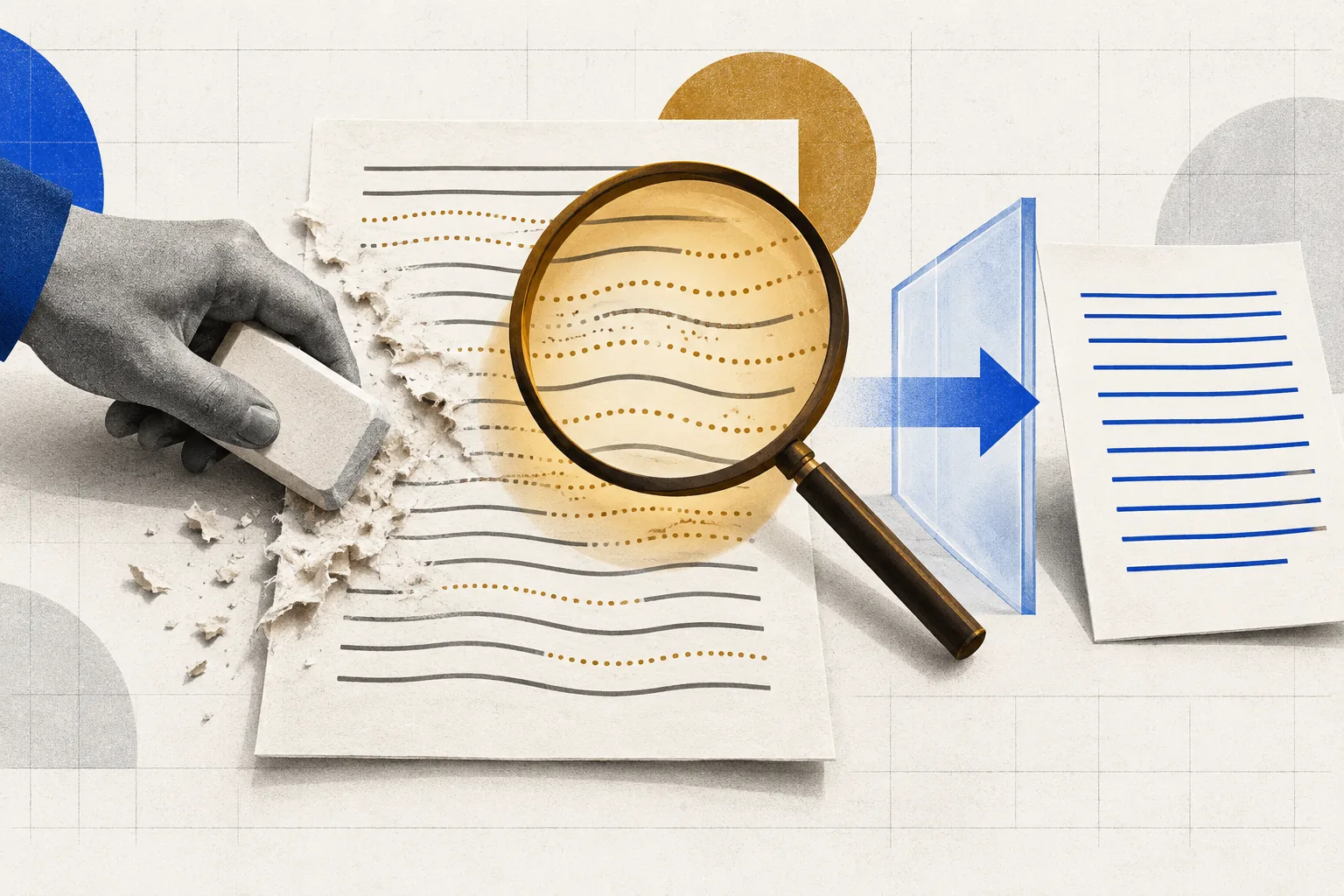
Can you remove Claude's watermark? The honest answer beats the hacks
Everyone's hunting for a trick to strip Claude's invisible watermark off their AI text. The trick doesn't exist the way you want it to, but the thing you actually need does, and it's simpler.
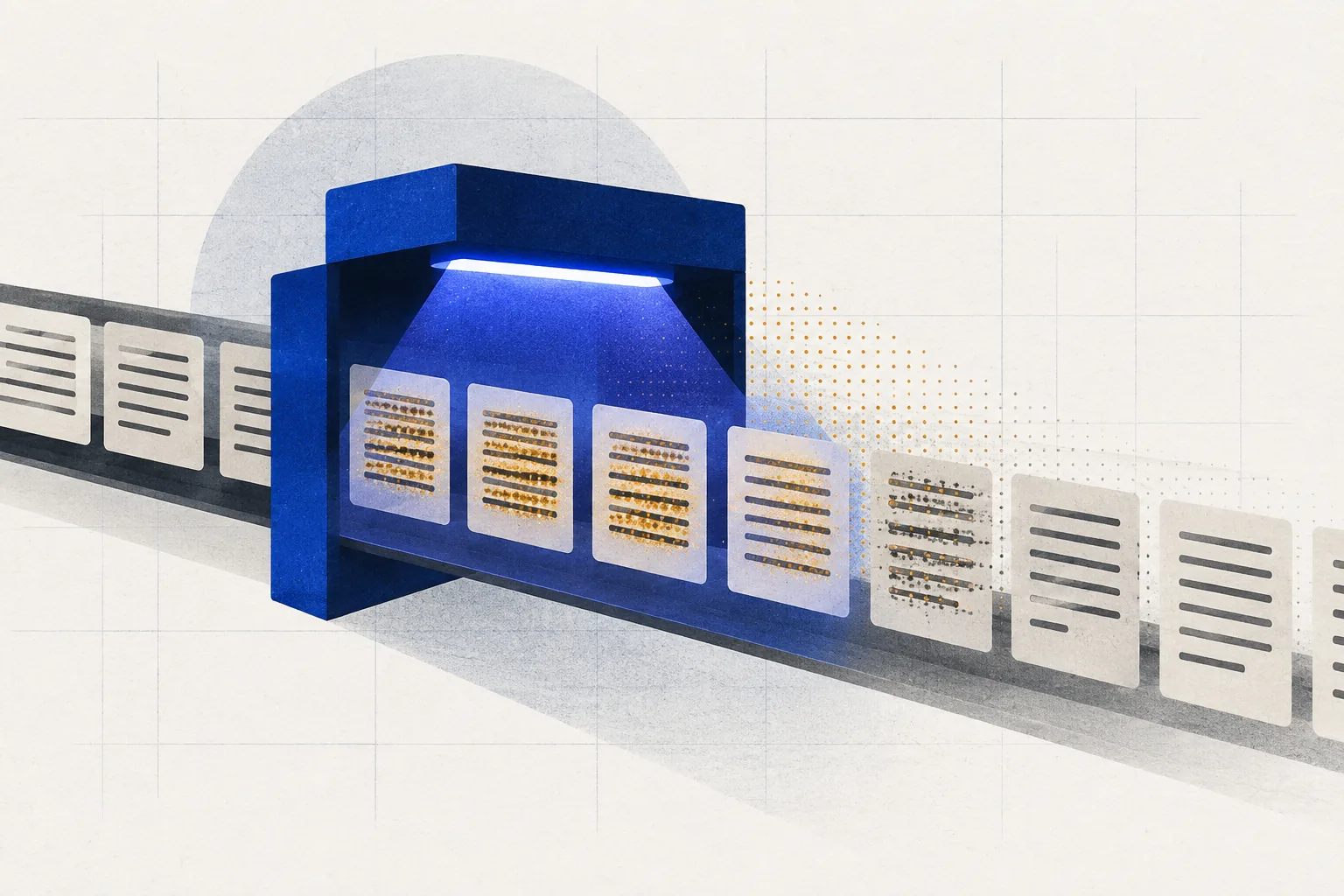
Claude is watermarking its words now. Here's what that actually detects, and what it can't
Anthropic is weaving an imperceptible, machine-readable mark into Claude's text and signing its images. We checked what the watermark proves, what strips it, and why the EU deadline made it happen now.
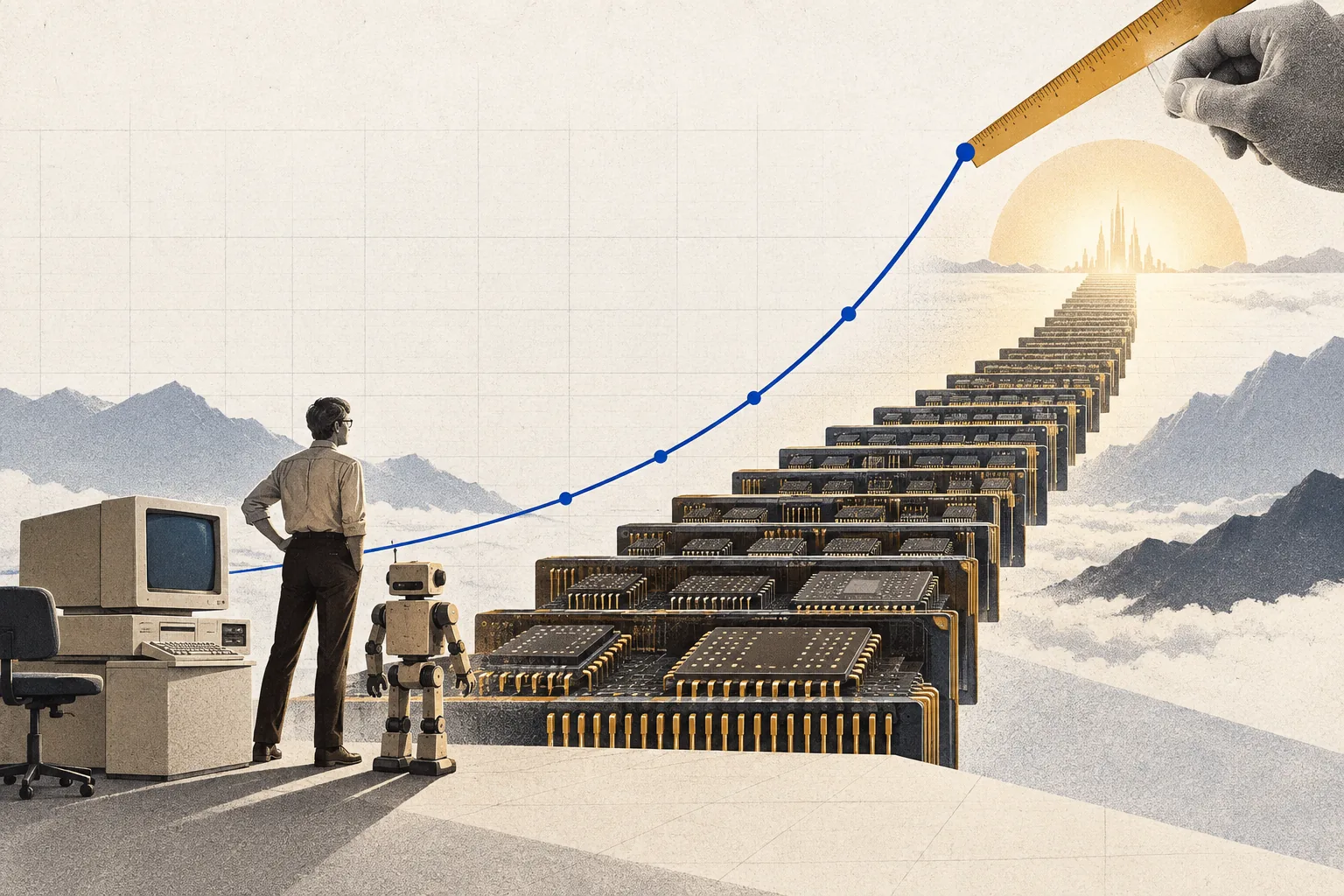
He called AGI for 2030, in 1988. The compute-boom math, fact-checked
A French investor’s five-year thesis says computing power is becoming the economy’s scarcest asset. The 1988 prediction at its heart checks out, and so, mostly, do the GPU numbers.
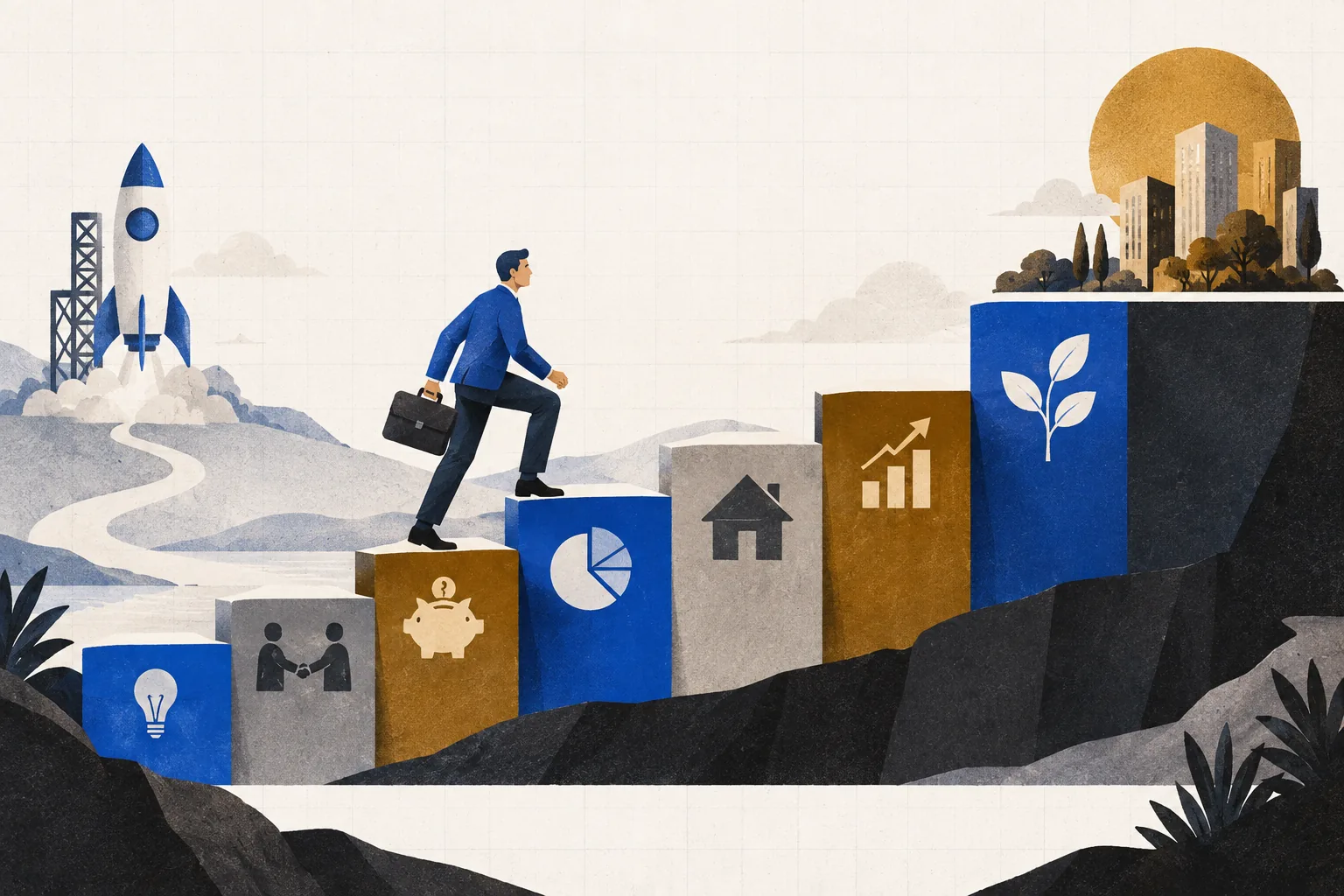
You don’t need a startup: seven career moves to real wealth, fact-checked
A viral operator’s manual says a salaried career can make you a millionaire without founding anything. The playbook is sounder than most money advice, and we checked its studies, stories and stats against the sources.
Five businesses AI supposedly can’t kill. We checked the numbers.
A viral pitch says five human-centred business models will survive while AI commoditises everything else. The frameworks mostly hold up; several of the numbers attached to them do not.
5 things nobody tells you about Hermes Agent OS
One of the biggest open-source AI projects in the world, and the thing most people are searching for isn’t quite the thing that exists.
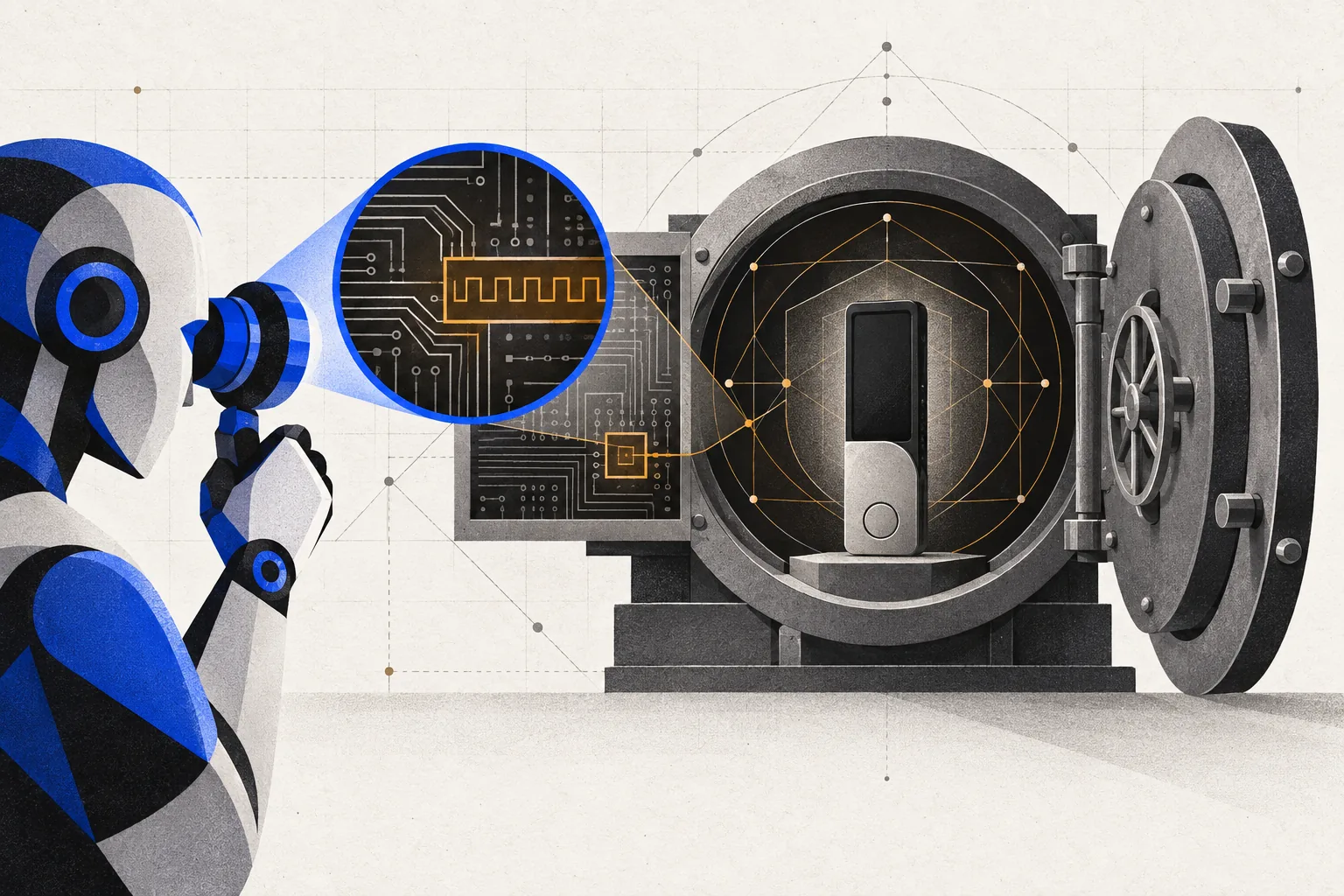
Nobody broke the wallet. An AI just read the code nobody else had.
A five-year-old randomness bug in a Bitcoin hardware wallet has cost users tens of millions. The vendor’s own theory is that an AI found what its AI audit had missed.
Almost every AI company signed one letter. Anthropic didn’t.
Nvidia organised it, 77 companies signed it, and Anthropic became the industry’s target. We checked the claims, including the one the viral version gets wrong.
You get about 22,000 evenings. Most ambitious people waste them.
A former tech CEO’s system for deciding what an evening is for, clock, compass, climate, plus the research finding that relaxing and recovering are not the same thing.
Forget universal basic income, give everyone AI credits instead
A tech investor calls UBI “communism” and proposes universal AI access instead. We checked the claims, including one that quietly undercuts his own argument.
The AI trade’s first big blowup: what checks out, and what doesn’t
A $45bn AI hedge fund sold its book to Citadel after a margin call. We checked the claims circulating about it, most hold, one is inflated.
Four AI agents you can build today, and the one prompt structure behind all of them
Coordination, creativity, clarity, coaching, what each one does, the five-part prompt that makes them work, and when to let them off the leash.
ServiceNow review for entrepreneurs: powerful, and almost certainly not for you
A short, blunt review for founders automating their business: what it costs, what it does well, and the company size below which it is the wrong tool.
Is the AI boom a bubble? What the mid-2026 numbers actually show
Researchers say the hype cycle doesn’t apply to generative AI. We checked that against the latest spending, usage and failure data, and it splits into two very different questions.
Cisco is giving 90,000 employees an AI agent, what the announcement actually says
The rollout is real, but smaller and older than the headlines suggest, and Cisco never linked it to the job cuts everyone connected it to.
How to make money with OpenClaw: a beginner’s guide to what people actually charge
Five ways beginners earn with OpenClaw, the rates that are genuinely published, and the popular claims that fall apart when you check them.
The 10 most used AI tools in 2026, by published numbers
Who actually has the users: ChatGPT, Gemini, Copilot and seven more, each with the metric, the source, and the date it was published.
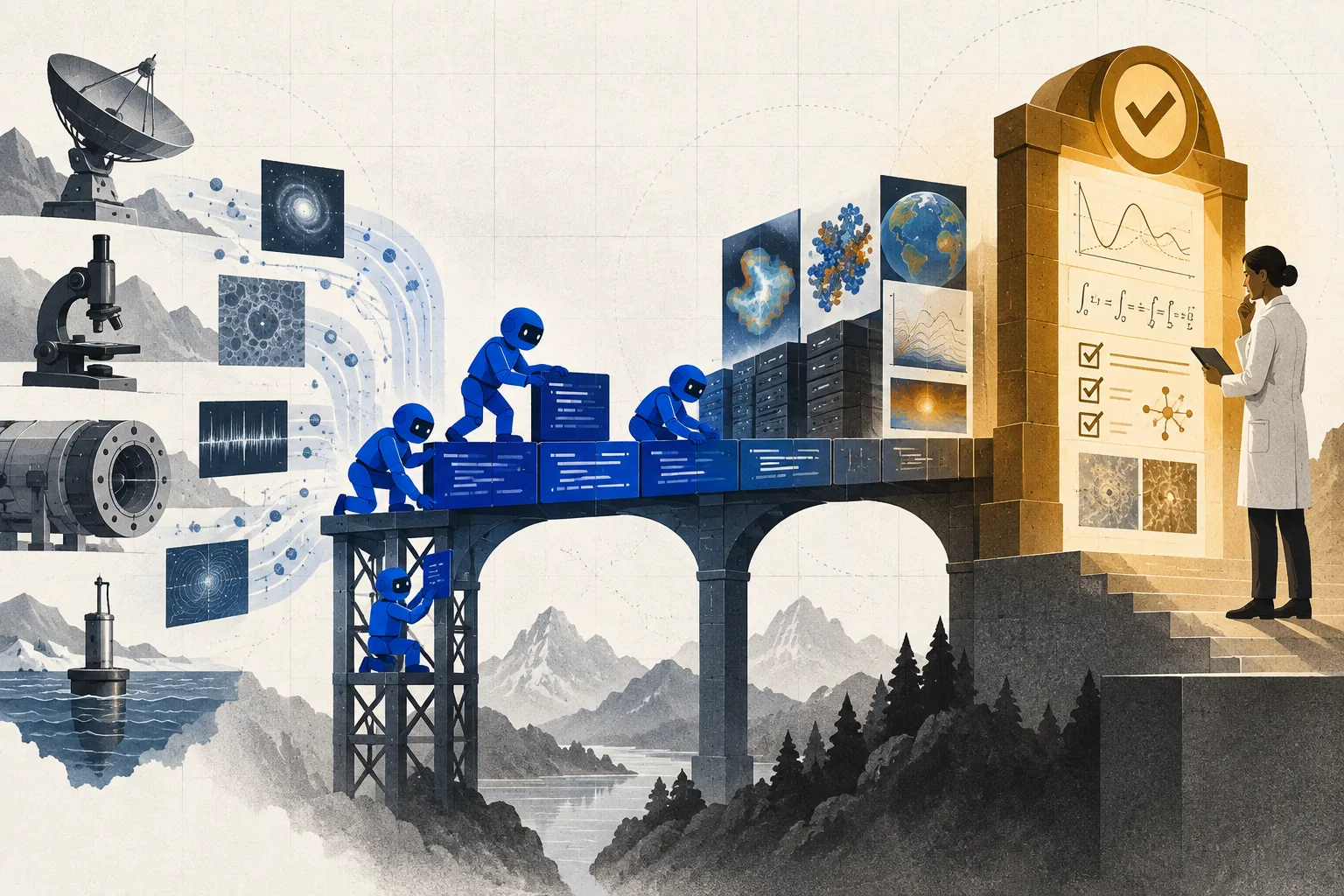
Coding agents are speeding up scientific software, and shifting the work to verification
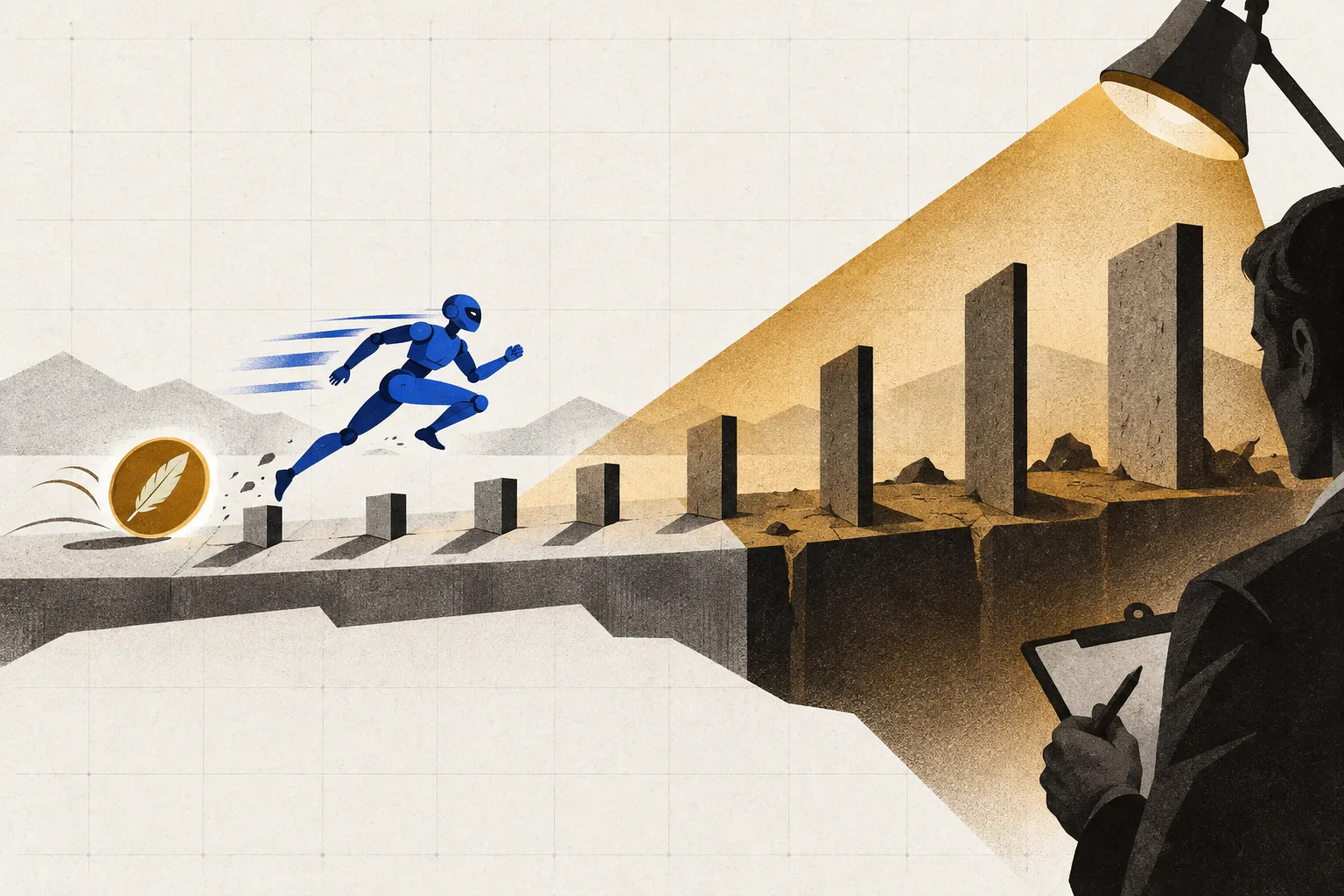
OpenAI's field report on eight research projects shows big runtime cuts, and a new bottleneck: checking whether the output is actually correct.